

Make a difference at the 2026 Southampton International Boat Show
A new voluntary initiative is giving exhibitors a simple way to help address the environmental impact of participating in the Show
New for 2026, exhibitors at the Southampton International Boat Show (18-27 September, 2026) can make a voluntary financial contribution towards environmental projects addressing carbon emissions and plastic waste.
Delivered in partnership with Yacht Carbon Offset, contributions will support two projects: the Mikoko Pamoja and Vanga Blue mangrove projects in Kenya, and the Coming Full Circle plastic recycling project in India.
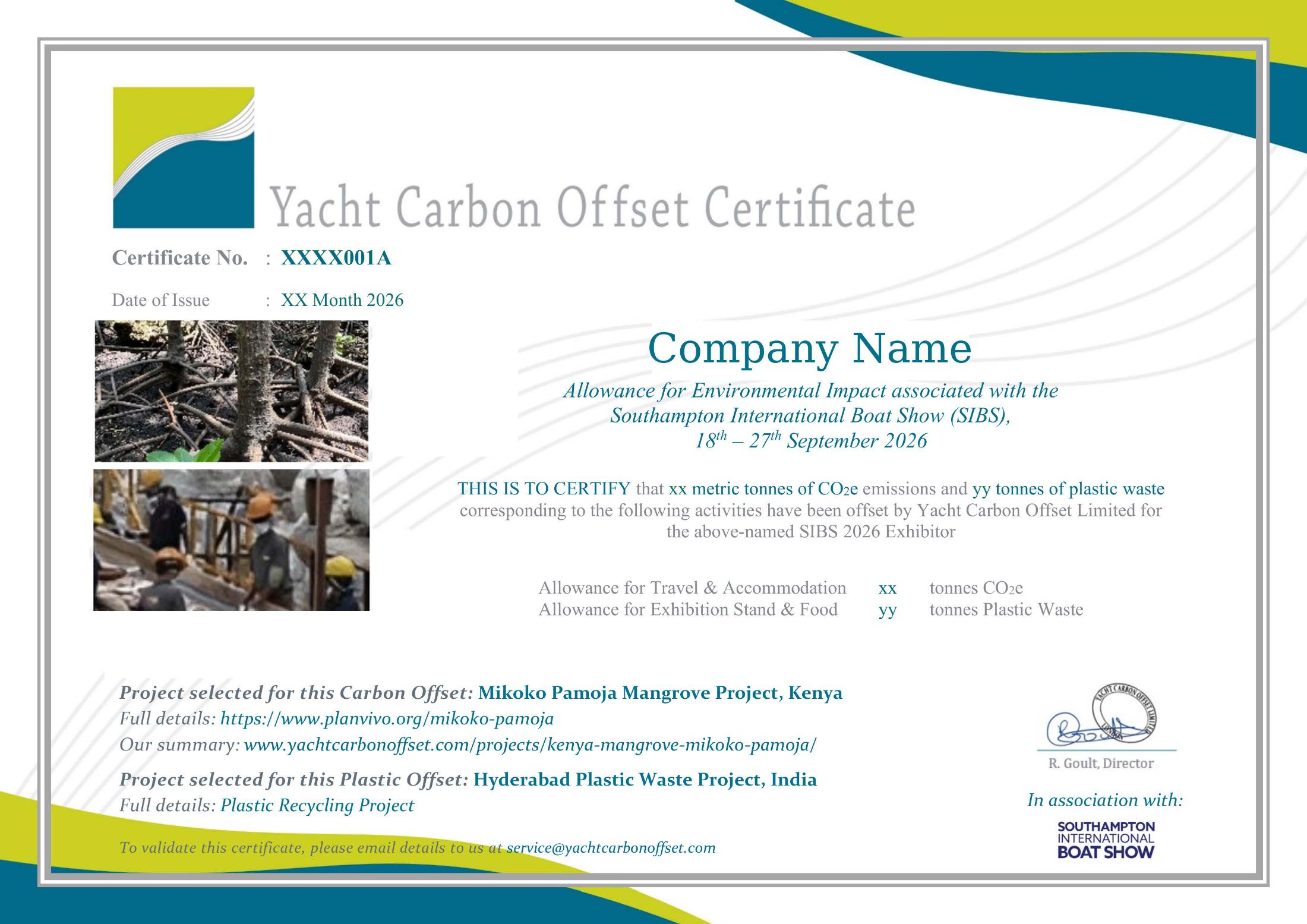
Yacht Carbon Offset will purchase and retire the credits on behalf of participating exhibitors. Each contributor will receive a personalised retirement certificate confirming their support.
How it works
Exhibitors can contribute in multiples of £50, with every £50 purchasing and retiring one carbon or plastic credit:
- The first £50 will support the Kenyan mangrove projects through the retirement of a carbon credit.
- Each subsequent £50 will be allocated alternately between the plastic recycling and mangrove projects.
- Carbon credits will be associated with an allowance for emissions generated through travel and accommodation.
- Plastic credits will be associated with an allowance for waste generated by exhibition stands and food.
This straightforward approach allows every participating exhibitor to make a contribution appropriate to their business while supporting measurable environmental action and wider community benefits.
Information about how to make a voluntary contribution can be found in the Exhibitor Manual.
Initiative one: Kenyan mangrove projects
Mikoko Pamoja and Vanga Blue
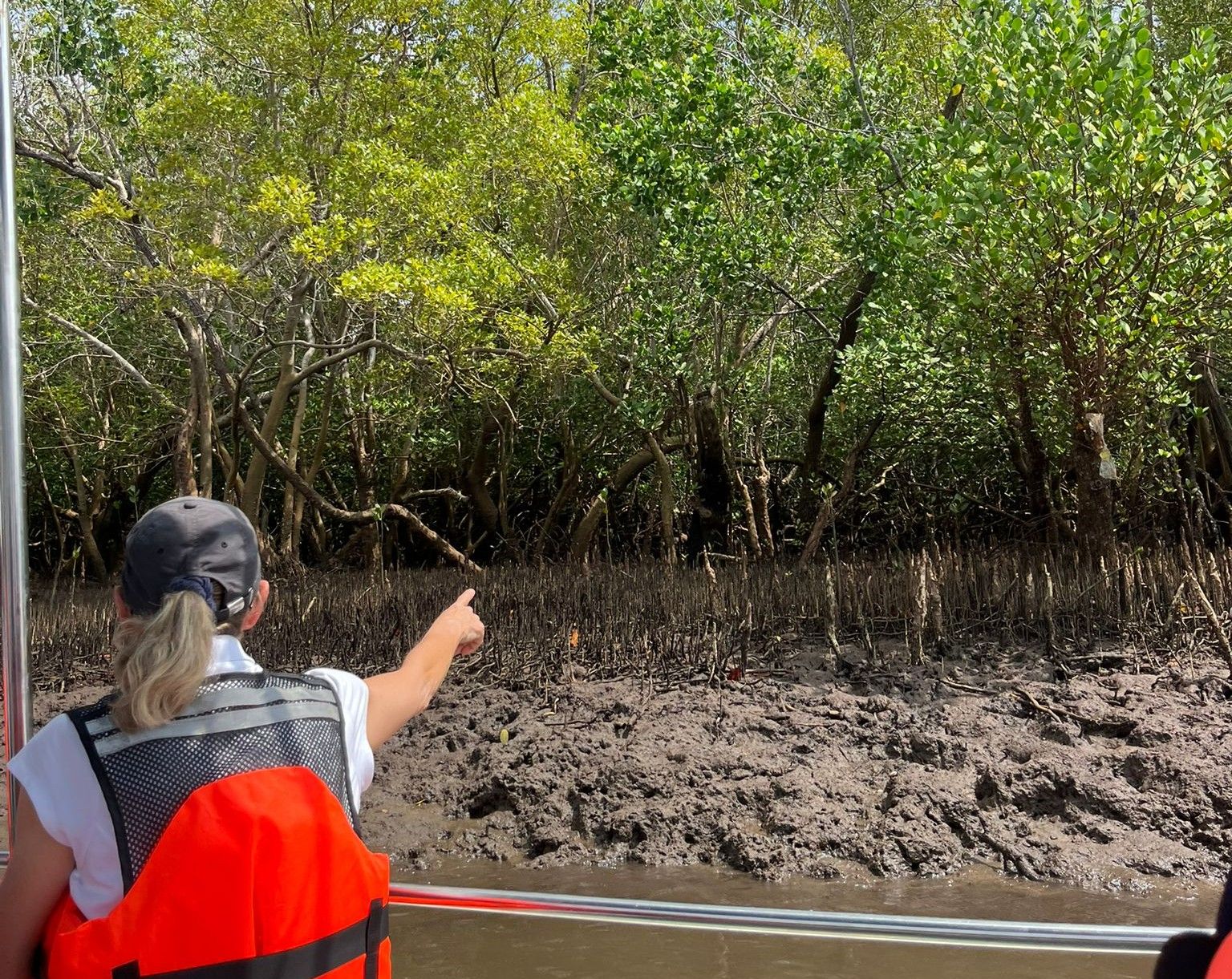
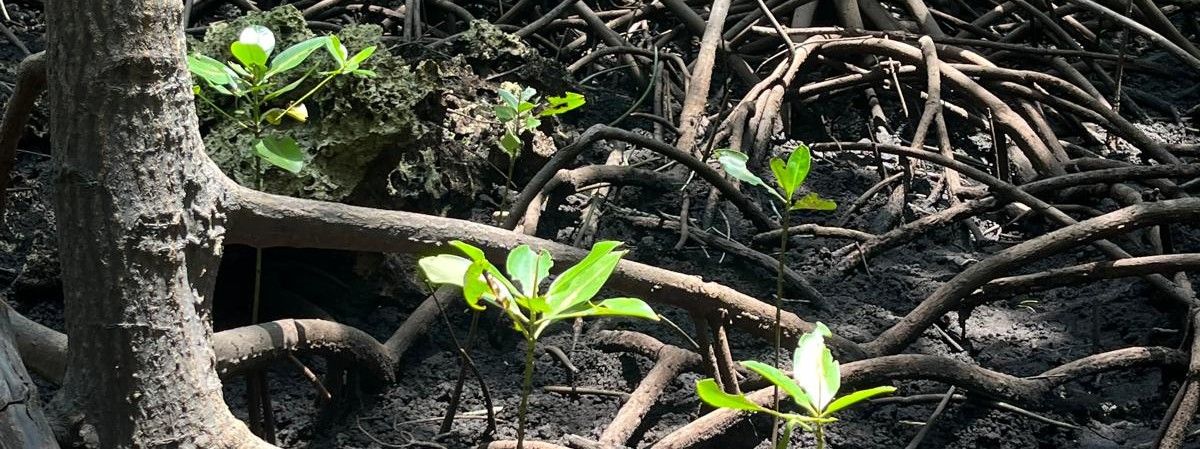
The Mikoko Pamoja and Vanga Blue projects protect and restore important mangrove ecosystems in Kenya.
Mangroves are valuable “blue carbon” habitats that absorb and store carbon while helping to protect coastlines and provide vital habitats for wildlife. These community-led projects also support local livelihoods and fund community development activities, ensuring the benefits extend beyond the natural environment.
Representatives from Yacht Carbon Offset visited both projects in 2026 and witnessed first-hand the positive impact they are having on local communities.
Discover more about the coastal and marine projects
Read about Yacht Carbon Offset’s visit to Mikoko Pamoja and Vanga Blue
Initiative two: Plastic recycling in India
Coming Full Circle
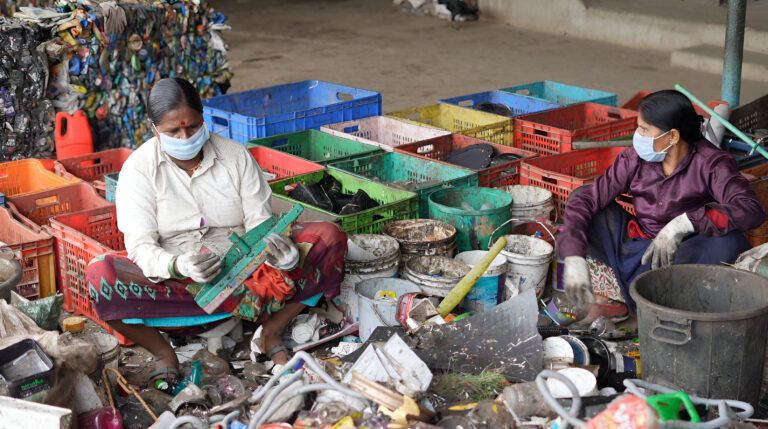
The Coming Full Circle project supports plastic collection and recycling in communities where effective formal waste-management systems are limited.
Discarded plastic is collected and transported to a recycling facility, where it is sorted, cleaned and processed into pellets that can be used to manufacture new plastic products. The project aims to keep recovered material in circulation and prevent it from being sent to landfill or leaking into the natural environment.
As well as addressing plastic pollution, the project creates employment and supports local waste collectors. By reinvesting value throughout the collection and recycling chain, initiatives of this kind can provide fairer and more stable incomes, strengthen local infrastructure and create opportunities for women and other potentially vulnerable groups.
What is a plastic credit?
Plastic credits are an emerging tool designed to help organisations take responsibility for their plastic footprint. Each credit represents a verified quantity of plastic that has been collected, recycled or prevented from leaking into the environment.
The system connects environmental action with social progress by directing funding towards plastic recovery projects, particularly in regions where plastic leakage is high and waste-management infrastructure is limited.
Plastic credits do more than support clean-up activities. They can help finance collection, transportation and recycling while creating employment, supporting waste collectors and strengthening local recycling systems.
From discarded plastic to new products
The plastic recovery process follows five clear stages:
- Collection: Plastic is recovered from isolated coastlines and communities where effective waste-management systems do not exist.
- Transportation: The collected material is transported to a recycling centre.
- Tracking and verification: Every kilogram is tracked from collection through to processing and independently verified under Verra’s Plastic Waste Reduction Standard.
- Recycling: The material goes through a six-stage process of collection, sorting, washing, shredding, identification and compounding into pellets. Recovered plastic handled through the project is not sent to landfill.
- New product manufacture: Manufacturers use the recycled pellets to create new plastic products, returning the recovered material to use.
Through this process, waste can be transformed into a valuable resource while funding is directed towards the communities and regions where investment is most urgently needed.
Small contributions can make a meaningful difference
This initiative gives exhibitors a practical way to help address some of the environmental impacts connected with taking part in the Show.
For every £50 contributed, a carbon or plastic credit will be purchased and retired through Yacht Carbon Offset. Exhibitors can choose to fund additional credits to increase their support across the two projects.
Every participating exhibitor will also receive a personalised retirement certificate providing a record of their contribution.
Example certificate
Take part
Information about how to make a voluntary contribution can be found in the Exhibitor Manual.