

Careers in the leisure marine industry
“On my first day, I was told that once you join the industry, you’ll never leave, and that was 17 years ago! Since then, I have work for some phenomenal brands with operations across the world, including marinas, clothing, interior design and manufacturing. I now work for British Marine, the trade association for the leisure marine, superyacht and small commercial industries and organiser of Southampton International Boat Show, the UK’s national boat show. From design, engineering, manufacturing, operations, and project management, to marketing, sales, HR and accountancy, our industry offers a wide and diverse range of career opportunities. However, what really sets our industry apart is the opportunity to work with a community of passionate, friendly and supportive people, who love what they do. And that is why many people choose never to leave.”
Adrien Burnand Director of Marketing & Communications at British MarineHere are just some of the roles and careers within the leisure marine industry:
If you wish to view any current vacancies from the marine sector please see the jobs board Marine Job Vacancies :: British Marine
Creates and designs concepts for all types of boats, from small personal craft to large superyachts.
Plans all parts of the boat from the outward appearance to complex ventilation systems.
- Best bit: Seeing your creations take shape.
- Salary: £25,000-£70,000.
- Qualifications: Advanced training in engineering, drafting and computer-aided design is required plus a marine design or engineering degree.
- Experience required: Relevant experience and related degree.
- Qualities: Imaginative, ability to work with computer software, attention to detail,
- mathematical, hand drawing techniques with a creative flair.
- Also consider: Marine engineer, Interior designer, Draughtsman.
If this career pathway appeals to you, email us at training@britishmarine.co.uk
 Leads and manages a project from start to finish, overseeing the build or refitting of a vessel. Manages staff, subcontractors and constantly liaises with the owner.
- Best bit: Bringing the project to successful completion.
- Salary: £30,000-£55,000
- Qualifications: Advanced training in engineering and project management is required.
- Experience required: Relevant project management experience and related degree.
- Qualities: Organised, relationship builder, planner, mathematical, ability to delegate, leads by example and customer-focused.
- Also consider: Purchasing Manager, Engineering Manager.
If this career pathway appeals to you, email us at training@britishmarine.co.uk
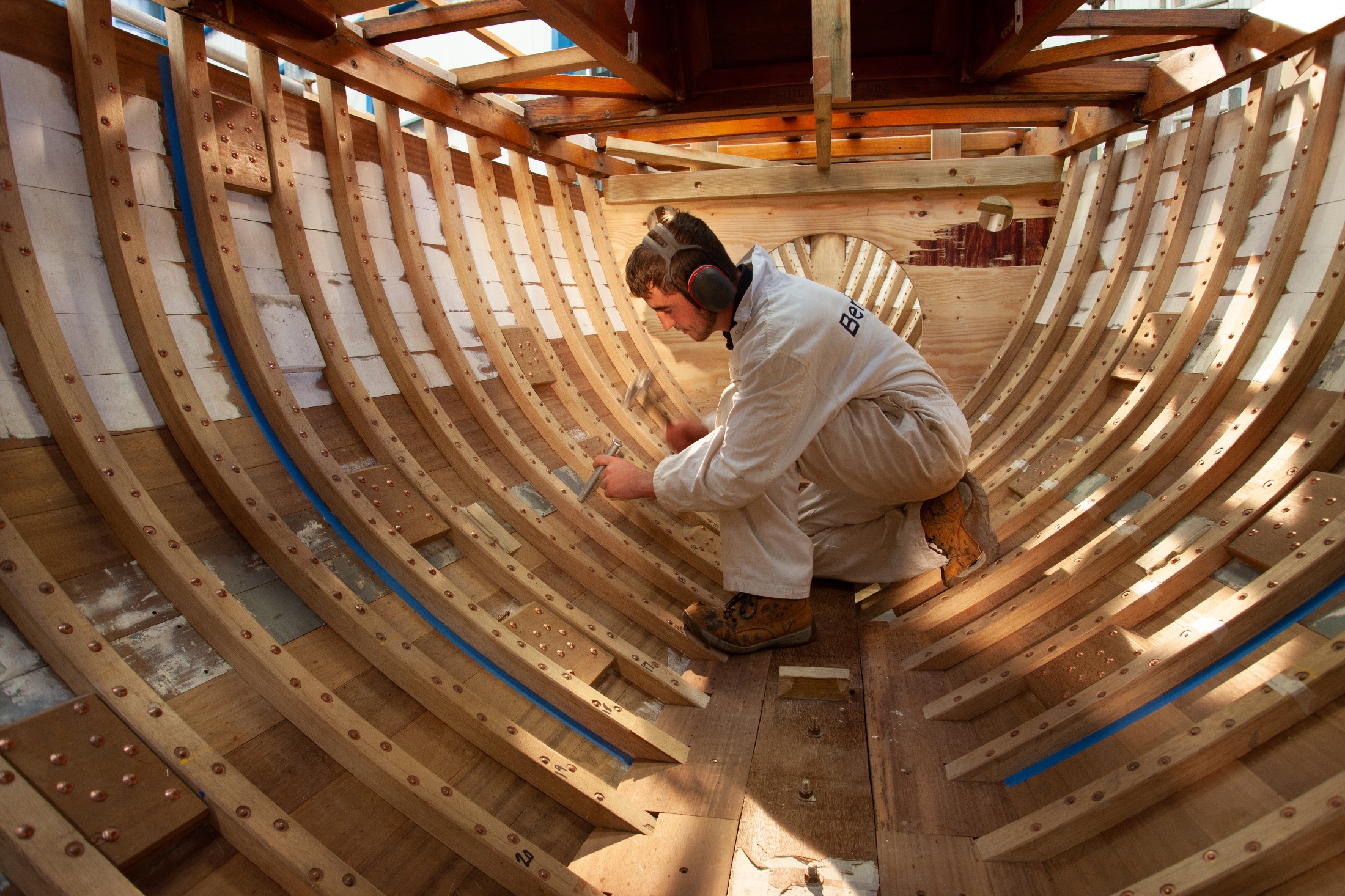 Builds and repairs all types of boats, from small personal craft to large superyachts. Experienced boat builders may also design vessels or assist naval architects.
- Best bit: Top quality tool kit.
- Salary: £24,000-£45,000.
- Qualifications: Advanced training in boatbuilding is required. 5+ GCSEs A*- C to include Maths and English plus resistant materials or relevant science, City & Guilds Level 3 Boat Building.
- Experience required: Relevant experience, apprenticeship or degree.
- Qualities: Good hand skills, attention to detail, mathematical, focused, motivated, ability to listen and take instruction.
- Also consider: Marine Engineer, Shipwright, Joiner, Laminator.
If this career pathway appeals to you, email us at training@britishmarine.co.uk
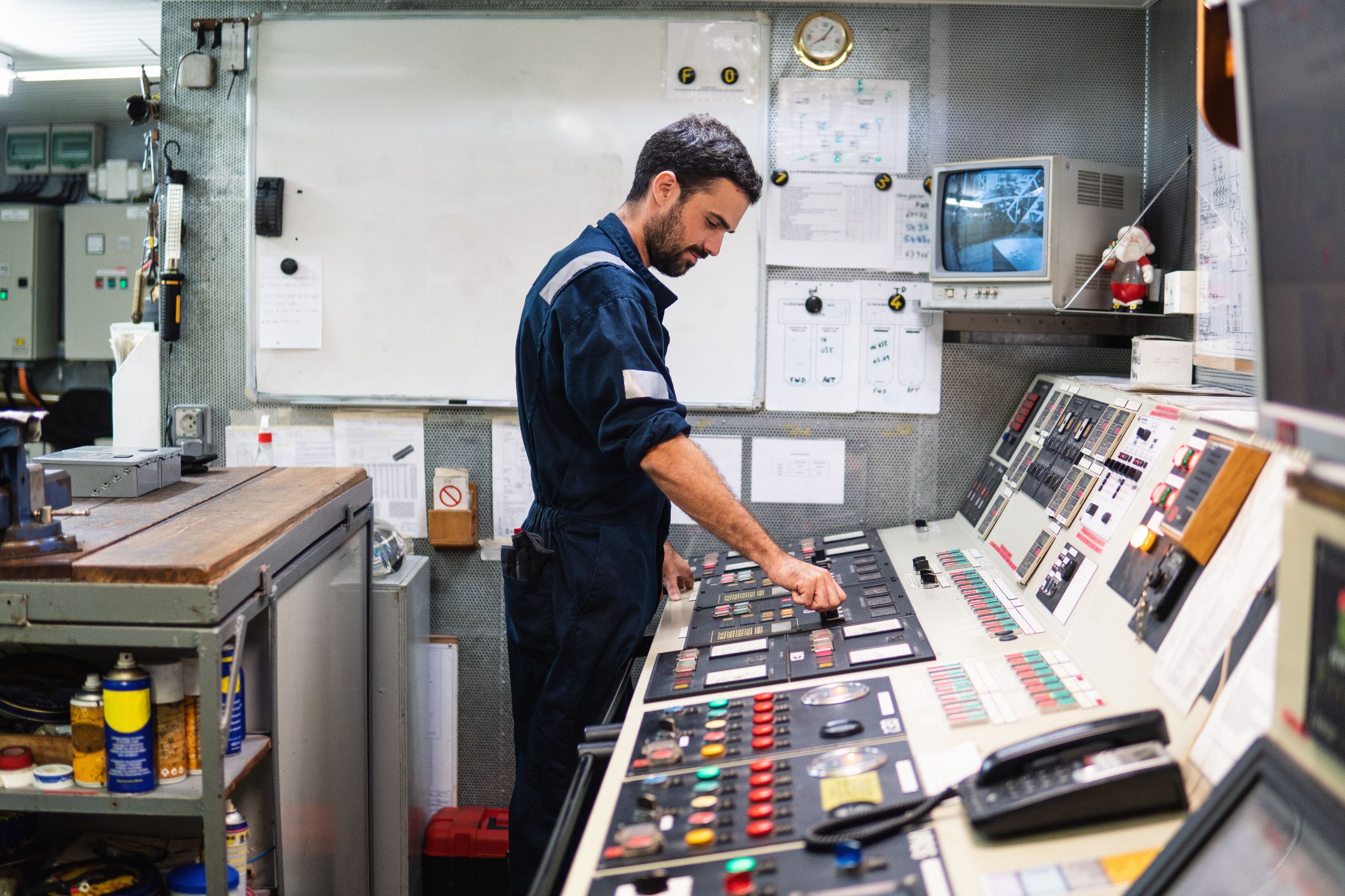 Responsible for installation and repair of onboard electrical, environmental and propulsion systems focusing primarily on internal systems.
- Best bit: Playing with engines.
- Salary: £25,000-£45,000.
- Qualifications: 5+ GCSEs A*- C to include Maths and English plus resistant materialsor relevant science, City & Guilds Level 2 & 3 in Marine Engineering, NVQ Level 2 & 3 in Marine Engineering.
- Experience required: Relevant experience, apprenticeship or degree.
- Qualities: Practical, problem solving, mathematical, technical flair, clear focus with a good work ethic.
- Also consider: Marine Electrical Engineer, Boatbuilder, Ships Engineer, Sales Engineer, Flotilla Engineer, Superyacht Engineer.
If this career pathway appeals to you, email us at training@britishmarine.co.uk
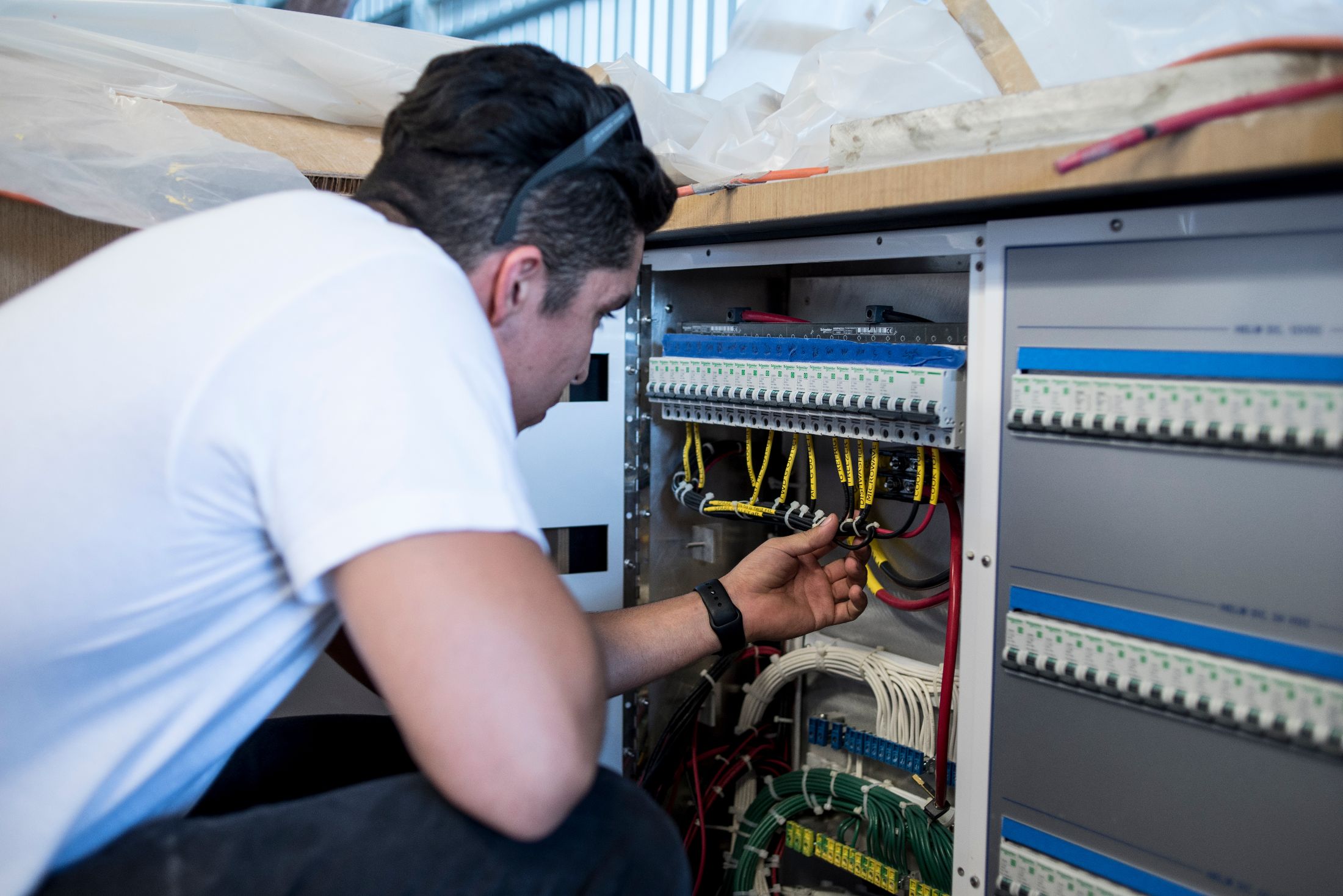 Responsible for installing, maintaining, servicing and repairing all electrical and electronics systems.
Electronic Engineers study, design and oversee production of electronic equipment.
- Best bit: Lots of cool gadgets.
- Salary: £25,000-£45,000.
- Qualifications: 5+ GCSEs A*- C to include Maths and English plus a technology or relevant science, City & Guilds Level 2 & 3 in Marine Engineering (Marine Electrical), NVQ Level 2 & 3 in Marine Engineering (Marine Electrical). BMET & NMEA Qualifications.
- Experience required: Relevant experience, apprenticeship or degree.
- Qualities: Methodical, problem solver, clear focus, technical flair with a good work ethic.
- Also consider: Marine Electrician, V Sat Engineer.
If this career pathway appeals to you, email us at training@britishmarine.co.uk
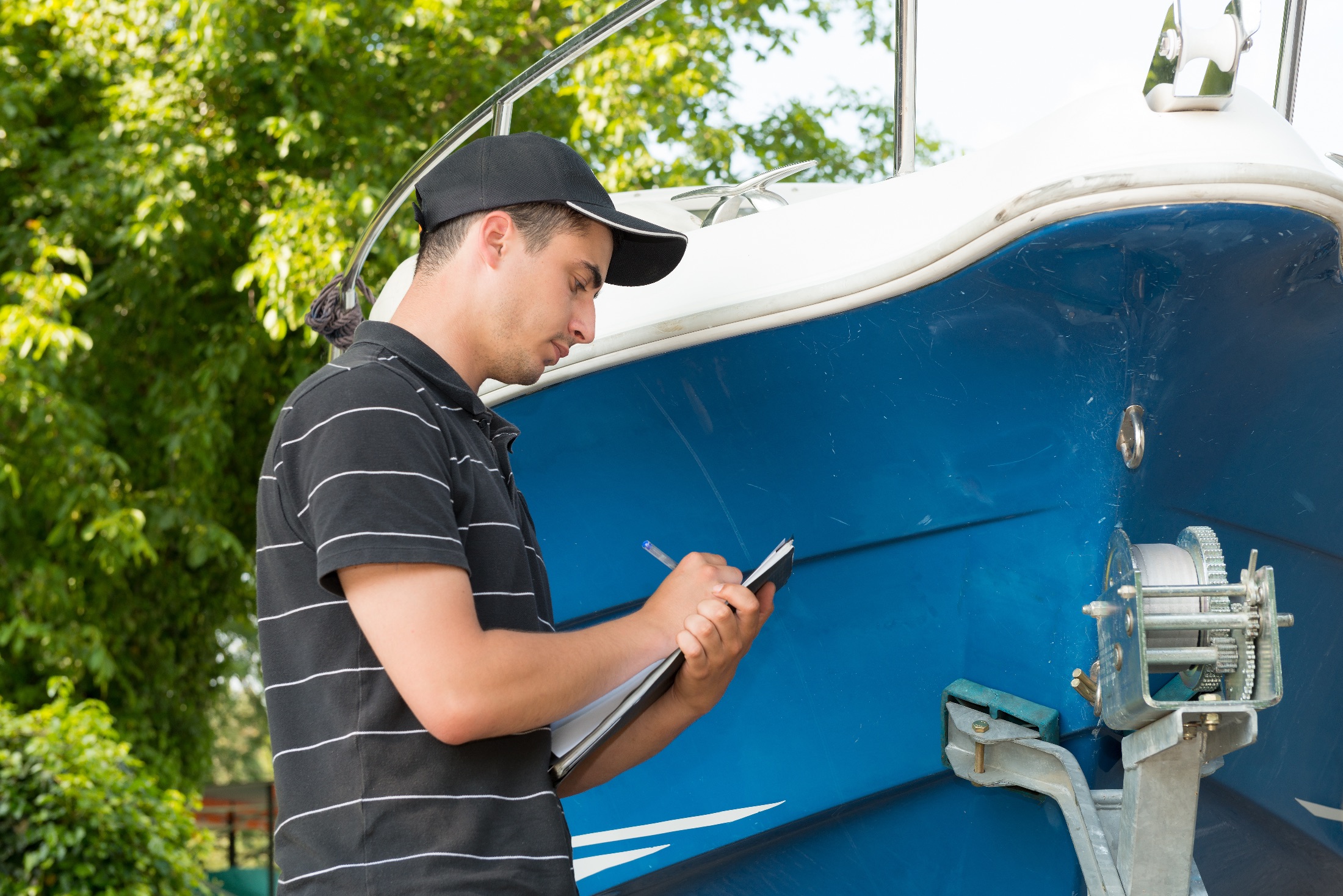 Inspects and examines boats and equipment on board to report on their condition. This can be in line with the sale of a yacht or following damage for an insurance claim.
- Best bit: Get to work on a variety of boats.
- Salary: £25,000-£55,000.
- Qualifications: A degree in Yacht Production and Surveying or other relevant course.
- Experience required: Strong technical understanding of construction of yachts. Usually degree level qualified.
- Qualities: Attention to detail, methodical approach, ability to build relationships and create reports.
- Also consider: Project Manager, Naval Architect.
If this career pathway appeals to you, email us at training@britishmarine.co.uk
 Manages the marina, operations and employees, ensuring the smooth running of all aspects of the marina.
- Best bit: Working outside.
- Salary: £40,000-£65,000.
- Qualifications: Strong understanding of facilities management, usually degree level qualified. A Certified Marina Manager’s qualification is desirable.
- Experience required: Relevant experience or working your way up, an understanding of boats and marina users will be useful.
- Qualities: Ability to lead and multi task, good with people, ability to delegate, good planner and customer focused.
- Also consider: Harbour Master, Dock Master, Facilities Manager.
If this career pathway appeals to you, email us at training@britishmarine.co.uk
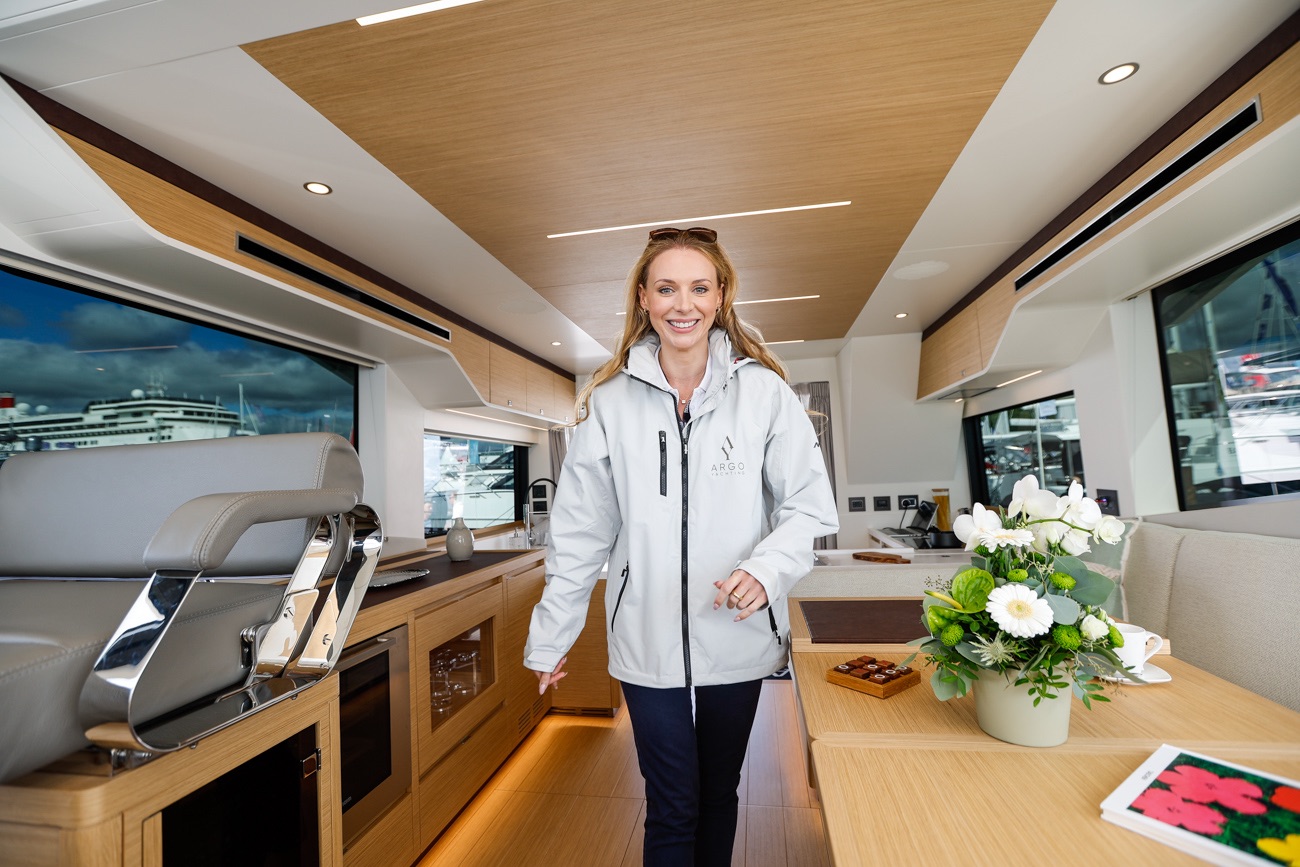 Sells new and second-hand boats on behalf of an owner. Finds potential buyers and manages the entire sale, earning a commission from the owner.
- Best bit: Will be in, on or around boats all the time.
- Salary: £30,000-£60,000.
- Qualifications: Sales training, specific broker qualifications.
- Experience required: A good understanding of boats, good sales skills, excellent customer service skills.
- Qualities: Good with people, selling skills, understanding customer needs with the ability to negotiate.
- Also consider: Charter Broker, New Boat Sales Executive.
If this career pathway appeals to you, email us at training@britishmarine.co.uk
 Works with the owner of the boat to find them the best insurance price possible in the event they need to make a claim if the boat gets damaged or stolen.
- Best bit: Get to talk about boats all day.
- Salary: £30,000-£50,000 (Basic + Commission).
- Qualifications: Insurance related qualifications.
- Experience required: A good understanding of boats with strong sales & negotiation skills.
- Qualities: Understanding customer needs, analytical researcher with ability to communicate advice effectively.
- Also consider: Loss Adjustor, Insurance Executive.
If this career pathway appeals to you, email us at training@britishmarine.co.uk
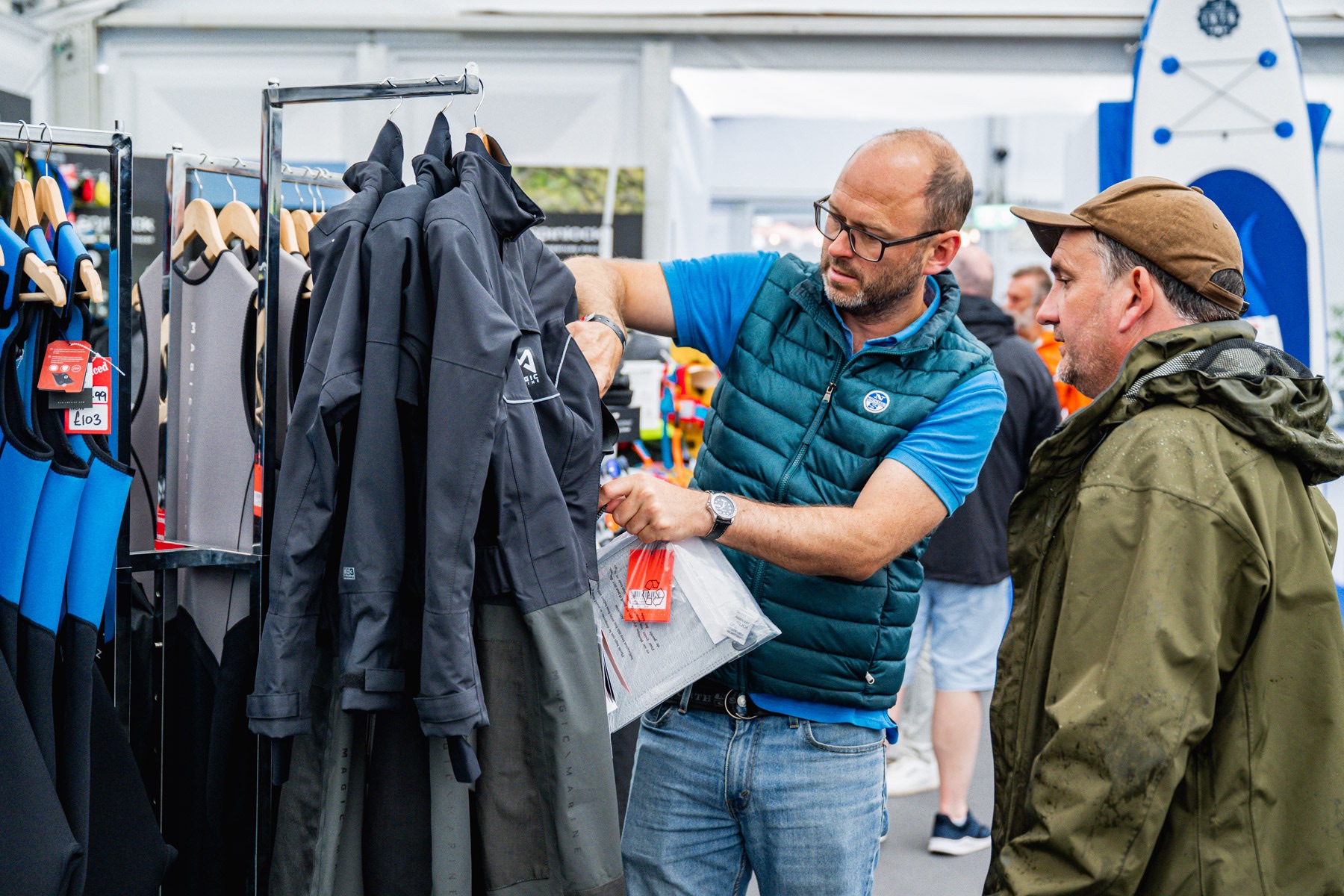 Sells products and parts that maintain all types of vessels to boat owners.
A marine trade sales manager could work all over the UK or overseas visiting customers to increase sales using a sales plan to achieve ambitious sales and profit targets.
- Best bit: Can sell a large range of boat products at any one time.
- Salary: £30,000-£50,000 (Basic + Commission).
- Qualifications: Relevant sales qualifications.
- Experience required: Good sales skills, good technical knowledge of products.
- Qualities: Selling skills, good negotiator, people person, attention to details, enjoys travel with a good customer focus.
- Also consider: Sales Executive, Sales Director, Account Manager, Chandlery Manager.
If this career pathway appeals to you, email us at training@britishmarine.co.uk
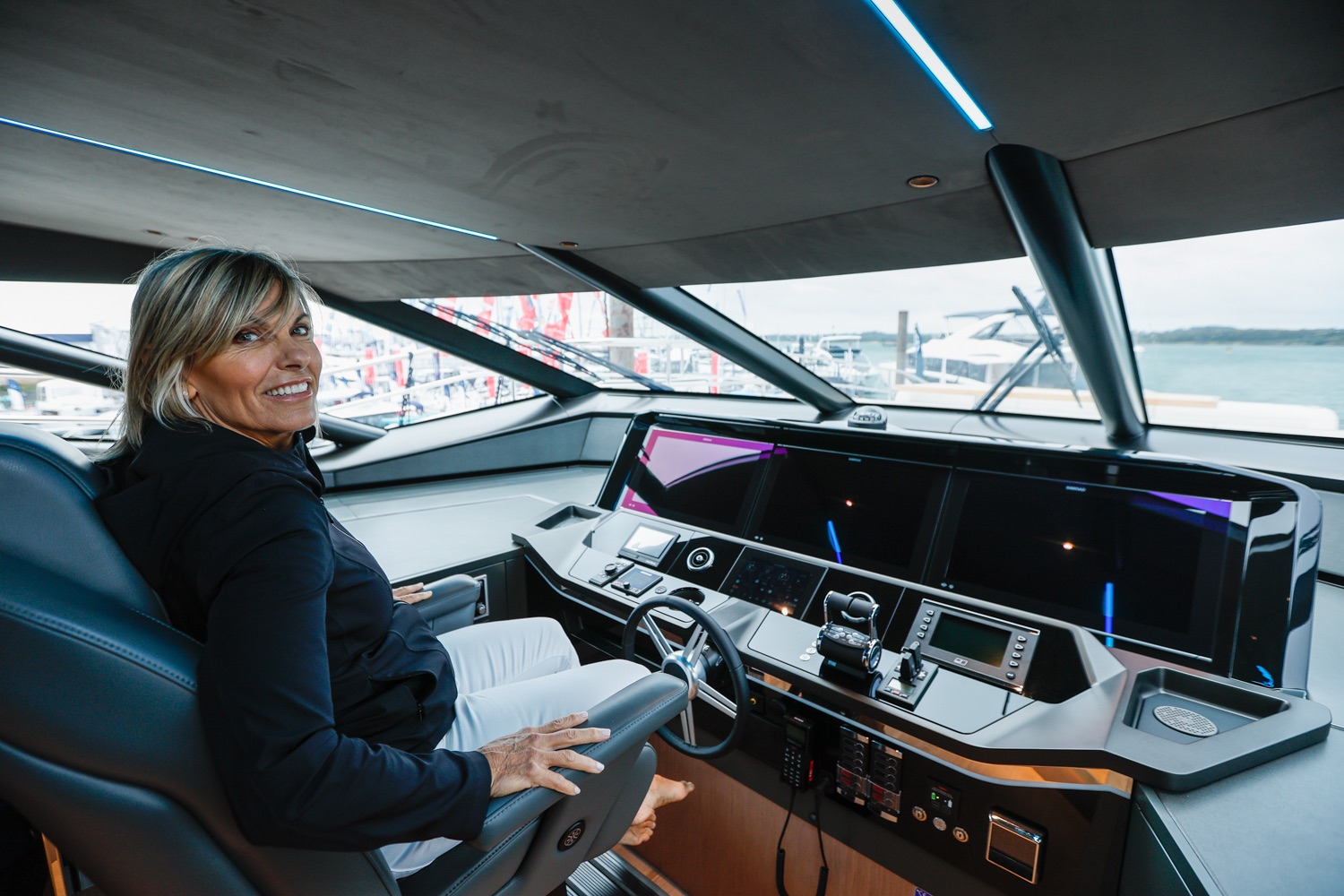 In charge of the yacht and all the crew for all types of boats, from flotilla and charter yachts to large superyachts and commercial vessels.
- Best bit: In charge of the vessel and travel.
- Salary: £37,000 - £230,000.
- Qualifications: RYA Yachtmaster (Commercially Endorsed), MCA Master 200 – MCA Master 3000, BML Tier 1 & Tier 2.
- Experience required: Dependent on the size & type of vessel, you will need a combination of qualifications and time at sea, building up your practical experience.
- Qualities: Effective leader, ability to communicate, practical mind, excellent customer service, good problem solver who enjoys travel.
- Also consider: Passenger Boat Skipper, Delivery Skipper, Yacht Instructor, Deck Officer.
If this career pathway appeals to you, email us at training@britishmarine.co.uk
 Teaching sail and power skills to children and adults of all abilities in the UK or overseas, including running RYA courses.
- Best bit: Seeing your students improve and working in stunning locations.
- Salary: £24,000 - £27,000 as a chief instructor.
- Qualifications: RYA Dinghy Instructor, RYA Start Windsurfing Instructor, BCU UKCC Level 2 Coach, RYA Powerboat Instructor, RYA Yachtmaster, RYA Cruising Instructor, Inland crew & helmsman’s instructor.
- Experience required: None, but any other teaching or instructing experience will help.
- Qualities: Patience, ability to communicate effectively, considerate, imaginative, gives instruction effectively, friendly with a good work ethic.
- Also consider: Waterfront Assistant, Waterfront/Beach Manager, Sail Training, Flotilla Skipper.
If this career pathway appeals to you, email us at training@britishmarine.co.uk
Interested in the Superyacht sector? Then here are some roles and careers for consideration.
A superyacht is defined as any leisure yacht over 24 metres (79 feet) in length. There are many hundreds of superyachts sailing the seas and oceans today – motor or sail, and they employ thousands of crew members from around the world.
Owning or chartering a multi-million-pound superyacht is an exclusive hobby, but behind the glamorous façade, there is a whole team of skilled workers keeping everything ship-shape. The number of superyachts being built is increasing each year, and there is now a shortage of skilled workers to crew them. Working on a superyacht is certainly not a holiday, but the rewards can be generous and it’s a great way to see the world in style.
Read on to find out all you need to know about what careers are available, the training and certification you will need and more.
If you wish to view any current vacancies from the marine sector please see the jobs board Marine Job Vacancies: British Marine
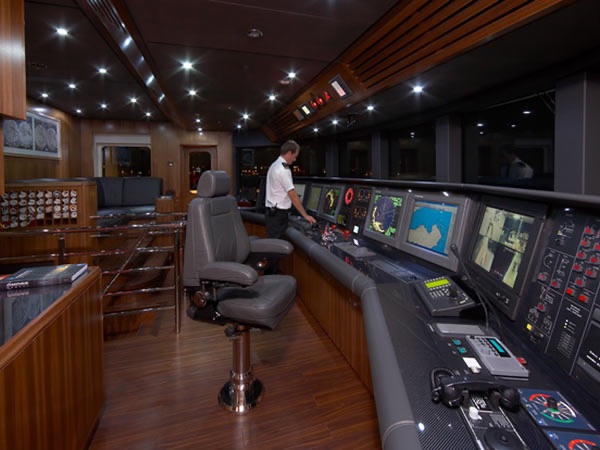
The Captain of any yacht (large or small) has one primary duty, which is the safe manning and operation of the yacht. This includes taking full responsibility for the crew, the tenders and toys, and the guests. Every crew member falls under the ultimate command of the Captain.
Yacht Captains hold responsibilities in various areas and must answer to the owner with regard to all decisions. Tasks generally include:
- Safe navigation and operation of the yacht
- Budget management
- Managing money and accounting on board
- Decision making with regard to crew
- Overseeing the upkeep of the vessel
- Taking control of repairs and yard visits
- Assuming the role of ‘host’ and entertaining when necessary
- Manage refit projects
Generally speaking, the smaller the yacht, the more hands-on the Captain must be. The larger the yacht, the more administrative duties the Captain will hold.
Regardless of the size of yacht, the Captain must be familiar with overall safety codes and the safety training of crew. Captains should be familiar with issuing standing orders and budget management at all levels.
The Captain’s job is all-encompassing. The responsibilities are tremendous, but the reward is often worth it.
Required Skills and Experience
A Captain must have considerable maritime experience and training and will normally have significant experience gained in either the superyacht or the merchant navy sectors. A Captain of a superyacht has to have excellent seafaring knowledge, a good grasp of accounting, IT and administration and also deal with authorities on matters such as paperwork and health and safety. Previous experience of yacht handling is essential and handling a yacht of the same or similar sizes a distinct advantage. The Captain must be highly skilled at dealing with people, both crew and the owner/guests. Personnel management skills are very important.
Required Certification:
Vessels <200GT
- RYA Yachtmaster Offshore (with Commercial Endorsement)
- or RYA Ocean Certificate of Competence (with Commercial Endorsement)
- or IYT Master of Yachts <200T
- or MCA STCW Master (Yachts) <200GT
Vessels <500GT
- MCA STCW Master (Yachts) <500GT Certificate of Competence
Vessels <3000GT
- MCA STCW Master (Yachts) <3000GT Certificate of Competence
- or MCA Merchant Navy STCW Master <3000GT
- or MCA STCW Master (Unlimited)
Vessels >3000GT
- MCA STCW Master (Unlimited)
Salary Range
A junior Captain based on a smaller superyacht (<30 metres) could expect a salary of between £3,500 and £5,500 per month. More experienced Captains, working on medium-sized superyachts (30-50 metres) could expect between £4,500 and £7,000 per month. Very experienced senior Captains on large superyachts (>50 metres) could expect between £6,000 and upwards of £10,000 per month. In exceptional circumstances, this could rise to £15,000 per month. In many of the larger yachts, there may be the opportunity for rotation.
Career Progression
Superyacht Crew
As a Superyacht Captain you’ve reached the ‘top of the tree’, however experienced Captains will always be in demand, and you could progress to working on other, larger yachts.
Marine Industry
Your experience is likely to stand you in good stead for a whole range of careers within the wider maritime industry. If you want to continue working with Superyachts you may choose to work for a Yacht Management or Service company, or in a Superyacht Yard or Repair/Refit company.
Alternatively you could look to the Merchant or Port industries, finding a position as a Marine/Technical Superintendent or Harbour Master for example. Jobs in surveying, for example a Yacht Surveyor or Marine Insurance Assessor/Investigator also value your experience.
You may also wish to be involved in training and education as a Lecturer or Instructor.
Other Industries
Your excellent management skills and good head for problem-solving, customer service and operational management will serve you well in any other industry.
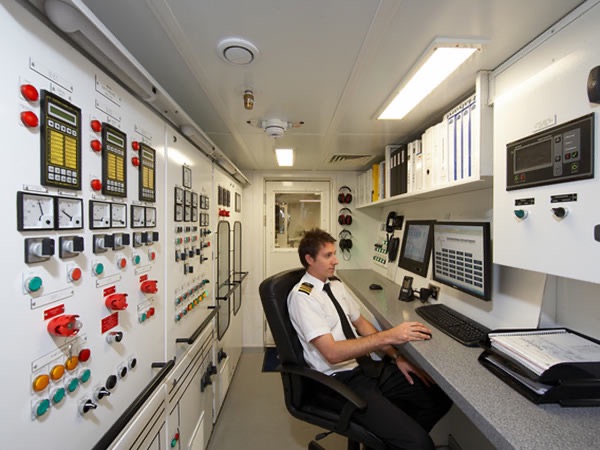
The Chief Engineer is in charge of the engineering department and is responsible for its safe and efficient operation. He/she reports directly to the Captain. As well as managing the Engineers, Electricians and ETOs (Electronic Technical Officers), the Chief Engineer has overall responsibility for the engineering department.
The Chief Engineer is likely to get involved in the day-to-day work of maintaining the mechanical and electrical operations of the yacht, supervising the rest of the team and ensuring that all planned maintenance takes place. Additionally the Chief Engineer will coordinate operations with shore-side engineers. Many yachts have warranty and/or service contracts for all of the mechanical and electrical equipment and shore-side engineers undertake the vast majority of service and repair work.
A Chief Engineer must be a very technically-minded individual who can wear many hats during the course of the day. He/she must be able to transition well between engine room work and interacting with guests. The Chief Engineer will ultimately be responsible for keeping the mechanical side of the yacht running without a hitch. This is particularly the case with the Hotel Services elements of the yacht.
The Engineering department is responsible for just about everything on the yacht that could break and need to be fixed. This includes everything from the main engines to smaller pieces of equipment like jet skis, televisions, refrigerators, air conditioners, etc. The Chief Engineer must be able to trouble-shoot and repair virtually everything in the confines of the yacht. Additionally, they will have a good knowledge base of finding and purchasing parts for the yacht.
In smaller yachts it is not unusual for the Chief Engineer to be required to assist on deck particularly in docking, undocking and anchoring operations.
Required Skills and Experience
Most Chief Engineers have reached their position by starting out as an Engineer on board superyachts. They should have broad experience of maintaining and repairing all of the mechanical and electrical operations on board, including engines, generators, air conditioning systems, electrical systems and water makers. The Chief Engineer will be expert in preventative maintenance and troubleshooting and will have the ability to manage and supervise engine repairs, re-hauls and general upkeep in the Engine Room.
The Chief Engineer also needs the ability to manage and train subordinate staff in the engine room and should have a good knowledge of outsourcing contractors and shore based repairs when necessary.
Experience or an understanding of International Safety Management (ISM) or Mini ISM is required for many yachts.
Required Certification
The Chief Engineer should hold the MCA STCW Chief Engineer (Yachts) certification appropriate for the engine capacity, or Merchant Navy Second Engineer or Chief Engineer certification. In some larger yachts Merchant Navy certification is the required certification.
Salary Range
A Chief Engineer is likely to be paid between £2,500 and £4,500 per month, depending on experience and the size of yacht. On larger yachts with more engineering crew to supervise, the salary could rise to between £3,800 and £5,500 per month. In many of the larger yachts the salary scale may well be higher than this and there may be the opportunity for rotation.
Career Progression
Superyacht Crew
Experienced Chief Engineers will always be in demand, and progression usually leads to working on other, larger yachts.
Marine Industry
An experienced Chief Engineer would be in demand in a number of roles within the marine industry. Boatbuilding and shipbuilding firms employ Engineering Managers and Directors to head up their Engineering Teams, and Port Operations also require Engineers. It is also possible that your experience is relevant for Yacht Surveying work.
Other Industries
Engineering skills are valued in many other industries. Depending on the position, it may however be necessary to attend training courses or gain qualifications to convert your marine engineering skills to those relevant to the position.
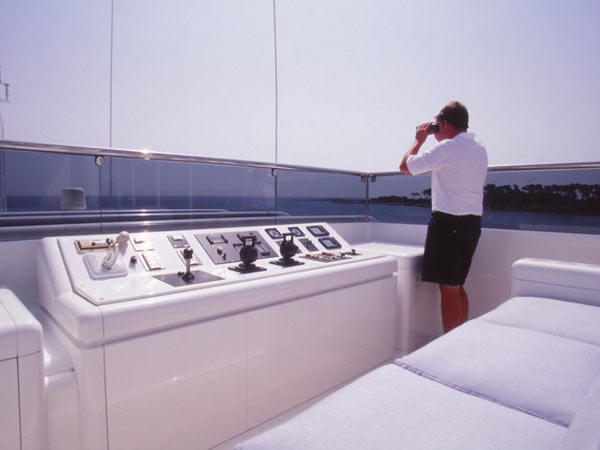
All superyachts generally have a First Officer on board, but larger yachts would employ a Second Officer as well. The roles are quite similar, but specific duties are likely to vary from one yacht to another. The First Officer, sometimes known as the Chief Officer or Chief Mate, is second in command to the Captain and manages all of the deck crew including the Second Officer, Bosuns and Deckhands.
The main responsibilities include the safety of the yacht and everyone on board, overseeing all deck operations and maintenance, supervision and preparation of toys on board, and a long list of administrative and safety duties on board. It is usual for the First Officer to undertake the navigational passage planning for the yacht.
As First Officer you will undertake bridge watches while at sea and your navigational abilities will be put to use. As the Captain’s second-in-charge you must be flexible to work many hours and familiarise yourself with all aspects of the yacht and its operations.
The Second Officer acts as understudy to the First Officer. He/she may be specifically responsible for the navigation of the yacht and keeping charts and publications up to date. Other duties include monitoring the navigation and radio equipment and undertaking bridge watches when at sea. The Second Officer may also be the designated security, safety or medical officer.
Required Skills and Experience
The position of First or Second Officer demands someone who has a firm knowledge of working on deck, and therefore usually has a background working as a Deckhand or Bosun on superyachts. Additionally, they should have diplomacy, good personnel management skills and the ability to assign duties and delegate crew on various projects. Knowledge of safety issues is paramount.
Required Certification
Most First and Second Officers will be required to hold either the MCA STCW Officer of the Watch (Yachts) <3000gt or Chief Mate (Yachts) <3000gt certification.
On smaller yachts candidates may have RYA or IYT certificates such as the Yachtmaster Ocean.
Some First Officers come from a Merchant Navy background, and although the superyacht sector is very different, Merchant Navy certifications are recognised.
Salary Range
First Officers can generally expect around £2,750 to upwards of £4,000 per month. Second Officer salaries are usually in the range of £2,250 to £3,000 per month. There may also be rotation opportunities for the First Officer and occasionally for the Second Officer positions, especially on larger yachts.
Career Progression
Superyacht Crew
An experienced First Officer can progress to Captain. Second Officers usually progress to First Officer.
Marine Industry
Your experience is likely to stand you in good stead for a whole range of careers within the wider maritime industry. If you want to continue working with Superyachts you may choose to work for a Yacht Management or Service company, or in a Superyacht Yard or Repair/Refit company.
Alternatively you could look to the Leisure Marine or Port industries, finding a position as a Marina Manager or Harbour Master for example. Jobs in surveying also value your experience.
You may also wish to be involved in training and education as a Lecturer or Instructor.
Other Industries
Your excellent management skills and good head for problem-solving, customer service and operational management will serve you well in any other industry.
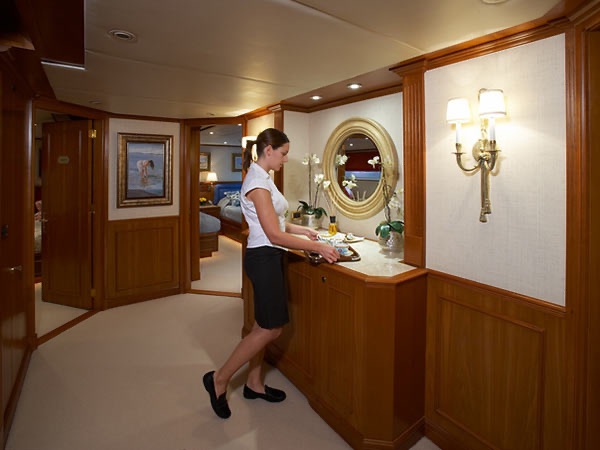
A Chief Steward/ess is most likely an experienced Steward/ess who has progressed to this higher-ranking role. They are in charge of the interior of the yacht and have a similar role to a steward/ess, but on a more senior level. The Chief Steward/ess manages and recruits the interior staff and reports directly to the Captain.
The most important aspect of the Chief Steward/ess role is his/her attention to detail. This type of position requires the ability to think ahead, provide a service before the guest makes the request and to anticipate events before they happen. Most importantly, you must exhibit the ability to discreetly serve guests in a luxury 7-star manner.
As with any job on a superyacht this is not a 9-5 role, particularly when the owner or guests are on board. Work can be needed at any time, day or night. Days are often long and hard, but your time off will often be in parts of the world most people aspire to. Be open minded, flexible and ready to accept new and varied challenges each day.
A typical day’s tasks will include
- Food service, including providing silver service
- Drink service and bar tending
- Overseeing the cleaning and polishing of accommodation
- Cabin preparation
- Flower arranging
- Obtaining local currency
- Arranging trips, transport and other similar events for guests or the owner
- General yacht operations
Once established in a Chief Steward/ess role, he/she may elect to move into a Purser role. This is a highly administrative position that is found only on very large yachts. It requires a strong background in everything from service to administration and crew management.
Required Skills and Experience
The Chief Steward/ess will normally have experience in more junior roles, but for top-end superyachts they may have experience as a butler. There are no specific qualifications, but a background in food and drink, hospitality and catering or customer service is an advantage. The Chief Steward/ess may have completed a hospitality training programme (for example the Steward/ess Certificate accredited by the Professional Yachtsman’s Association).
Essential attributes
- Superb guest service skills
- Discretion and confidentiality
- Excellent interaction skills
- Team management skills
- Well-organised and a good administrator, including accounting
- IT literate
- Multi-lingual
Required Certification
Although not officially mandatory, the MCA STCW Basic Safety Certification is generally viewed as a pre-requisite for a Chief Steward/ess role.
Salary Range
A Chief Steward/ess could expect to earn between £1,750 and £3,000 monthly, or £2,500 to £4,000 on larger yachts, according to experience. As a Purser, you could expect between £3,500 and £5,000 per month.
Career Progression
Superyacht Crew
Many larger yachts employ Pursers and Chief Pursers, and this would be a suitable progression from the role of Chief Steward/ess.
Although not a ‘crew’ position, many Chief Stewards have gone on to become the Personal Assistant to the yacht owner, or the Housekeeper/Butler in the owner’s residence.
Marine Industry
Stewards and Chief Stewards are employed on Cruise Liners, and experience on board superyachts would be welcome for these positions.
Other Industries
There are many links between working on superyachts and working in hotels. Reception/Front of House Management and other operational roles in hotels make a good match.

Food is one thing that a charter guest or an owner of a superyacht will always remember. The Chef plays an incredibly important role and is one of the key figures on board.
The position of Chef is challenging in every sense of the word. From the initial purchase of the food items, transportation to the yacht, (changing money and languages in between), to the preparation and final presentation on the table – it’s all in a day’s work for the Chef. The typical work day will be incredibly long – not only does this job entail purchasing stores and cooking, but it also involves enormous amounts of preparation and clean-up to ensure that the galley is kept in pristine condition. Depending upon the size of yacht, a Chef may work solo, or he/she may work with a Sous Chef and possibly a Crew Cook. On the other hand, it may be the Chef’s responsibility to provide all meals to both guests and crew.
A great Chef has enormous breadth to his/her cooking repertoire. From the basic to the exotic, you must be able to create inventive and balanced menus with sometimes scarce supplies. Special menus and varied dietary requests are not uncommon.
On smaller yachts it is not unusual for chefs to participate in the deck work and watch keeping duties when there are no guests on board.
Required Skills and Experience
Most superyacht Chefs have previous experience of working as a head or sous chef in a hotel, restaurant or on board other yachts.
You must have excellent knowledge of food safety, storage, general health standards, and nutrition. A good Chef should be flexible and able to perform gracefully under pressure! Your culinary repertoire should be excellent, to take into account the sometimes limited availability of produce and necessary menu changes due to unforeseen circumstances on board. You should have a vast knowledge of fruits, dairy, meats, seafood and other products available only seasonally and perhaps limited by geographical region, as well as being able to cater to restricted diets, fad diets and food allergies.
The Chef must also be very well organised and able to adhere to budgets, plan menus based on monetary restrictions and manage the galley staff if applicable.
Required Certification
Although not mandatory, most Chefs hold a recognised qualification such as a Level 3 Diploma in Professional Cookery (City and Guilds), Level 3 S/NVQ Professional Cookery (City and Guilds) or other industry-recognised international qualification. If not officially trained, substantial restaurant and Chef experience is a must.
MCA STCW Basic Safety Certification is often considered essential for this role.
Salary Range
The starting salary for a Chef on board a superyacht typically starts at between £1,750 to £2,250 per month. This could increase to £2,500-£4,000 per month with experience, and the top Chefs could earn upwards of £5,000 per month.
Career Progression
Superyacht Crew
Top-end superyachts generally provide the most challenging environment for on board chefs, and usually are only taken on with previous superyacht chef experience.
Marine Industry
Career options for chefs in the wider maritime industry are mostly restricted to other crew jobs, for example the Merchant Navy or the holiday/charter companies.
Other Industries
The Hospitality, Hotel and Catering industries all need experienced chefs to work in a variety of environments.
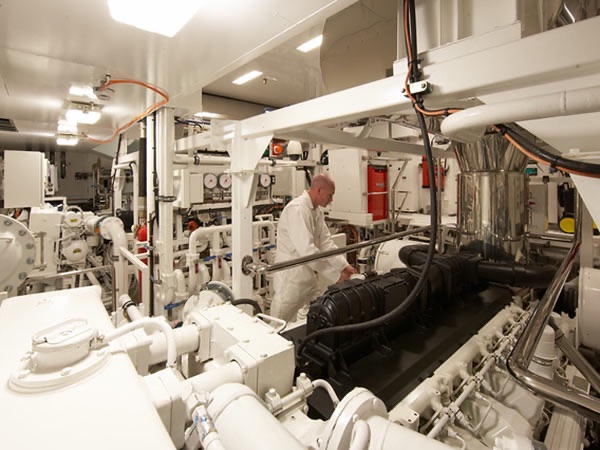
The main function of the Engineer is to maintain the mechanical and electrical operations of the yacht. This position will entail very large, complicated jobs, and it can, at the same time, incorporate something as small as fixing a remote control for guests, or fixing a toilet.
An Engineer must be a very technically-minded individual who can wear many hats during the course of the day. He/she must be able to transition well between engine room work and interacting with guests. The Engineer will ultimately be responsible for keeping the mechanical side of the yacht, particularly Hotel Services, running without a hitch.
An Engineer is responsible for just about everything on the yacht that could break and need to be fixed. This includes everything from the main engines to smaller pieces of equipment like jet skis, televisions, refrigerators, air conditioners, etc. This individual must be able to trouble-shoot and repair virtually everything in the confines of the yacht. Additionally, a good engineer will have a good knowledge base of finding and purchasing parts for the yacht. As most yachts travel around the world, it is important to maintain and inventory all parts and be prepared for breakages, replacements, etc.
The Engineer is directly responsible to the Chief Engineer and may look after the electrics and electronics if there isn\’t an electrician or ETO (Electronic Technical Officer) on board.
Assistant Engineers are sometimes employed on larger yachts as an entry-level position. It is the Assistant Engineer’s job to assist all other members of the Engineering department with their work. As your gain experience you may be responsible for specific tasks yourself. It is a great way of learning all about engineering on board a superyacht in a hands-on way, and can be a good stepping-stone to an Engineer position.
Required Skills and Experience
An Engineer may have experience of working on board superyachts, either as an Assistant Engineer or as a Deckhand. Alternatively they may have experience of working in other marine engineering or engineering sectors. Any skills or experience relevant to the systems on board (eg marine engines (inboard and outboard), generators, air conditioning, water makers, electric and electronic systems, etc) will be advantageous.
An Assistant Engineer is an entry-level position, and while no previous experience is required, candidates should be technically-minded, hard working and keen to learn and progress.
Required Certification
An Engineer should hold the MCA STCW Basic Safety certification, or Merchant Navy or Royal Navy Engine Room Watch Keeping Certificate or equivalent.
Salary Range
An Engineer would usually earn a salary of between £2,000 and £3,500 per month, depending on the size of yacht and the scope of the position. With around 5 or more years experience, this could rise to between £2,800 and over £4,000 per month.
An Assistant Engineer could expect to earn around £1,500 per month.
Career Progression
Engineer
Superyacht Crew
The natural progression for an experienced Engineer is to a Chief Engineer role. However, in some cases an Engineer develops a specialism in Electrics or Electronics and may decide to become an Electronic Technical Officer (ETO) or an Electrician.
Marine Industry
An experienced Engineer would be in demand in a number of roles within the marine industry. Boatbuilding and shipbuilding firms employ Engineers and Engineering Supervisors and Managers to lead their Engineering Teams. Port Operators also require Engineers.
Other Industries
Engineering skills are valued in many other industries. Depending on the position, it may however be necessary to attend training courses or gain qualifications to convert your marine engineering skills to those relevant to the position.
Assistant Engineer
Superyacht Crew
An Assistant Engineer will usually progress to become an Engineer.
Marine Industry
Assistant Engineer on board a superyacht is usually a junior, entry-level position which will give you a good background in knowing how a superyacht engineering department runs. There are a whole host of Engineering roles available in the wider maritime sector, for example in the leisure sector as a Marine Engineer, or as an Engineer in a Port Operation. You may also wish to consider the Merchant Navy’s Engineering Officer Training programme. Without relevant qualifications you are likely to need to start at the bottom, but your experience will certainly be advantageous in getting your chosen job.
Other Industries
There are a whole host of Engineering roles available in many other industries. Without relevant qualifications you are likely to need to start at the bottom, but your experience will certainly be advantageous in getting your chosen job.
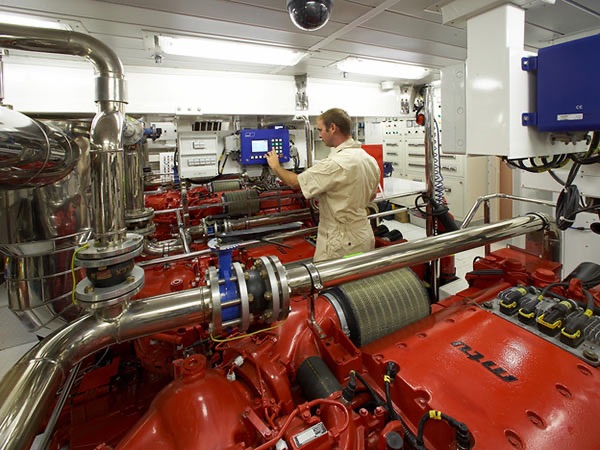
Electronic Technical Officers (ETOs) and/or Electricians are generally employed on larger superyachts where the Engineering department comprises around four or five crew. In some instances one person may fulfil both roles, or there may be different individuals for each. If there is no ETO or Electrician on board, their responsibilities would fall to the Engineer. ETOs and Electricians usually report to the Chief Engineer.
The ETO takes responsibility for the day-to-day maintenance of all electronic, computer, audio/visual and communications equipment and ensures its efficient operation. On a large superyacht these systems are likely to be numerous, for example: Radio, radar, telephones, satellite communications including internet and other communication and navigation systems, personal computers, TV and DVD systems, Hifi and sound systems, and electronic management systems linked to equipment on the yacht.
The ETO is also responsible for ensuring that all planned maintenance work takes place on these systems and co-ordinates operations with shore-side technicians.
The Electricians’ role is similar to that of the ETO, however the systems he/she would be responsible for include all electrical circuits on board, circuit breakers and switches, lighting, batteries, etc.
Required Skills and Experience
An ETO or Electrician may have experience as an Engineer on board a superyacht who has developed a specialism in electronics or electrics.
They may however have experience as a computer technician, radio/radar specialist or marine electrician working in shore-side employment. Certainly some level of experience of working with similar systems to those on board would be expected.
Required Certification
An ETO or Electrician should hold the MCA STCW Basic Safety certification, and while not mandatory, may also hold qualifications in electrics/electronics. The MCA STCW Engineering certification may also be a requirement, depending on the yacht.
Salary Range
An ETO or Electrician would usually earn a salary of between £2,000 and £3,500 per month, depending on experience and the scope of the position.
Career Progression
Superyacht Crew
If an ETO or Electrician has a suitable background in general superyacht engineering, he/she may progress to the position of Chief Engineer.
Marine Industry
An ETO or Electrician may choose to transfer their skills to a position in the Merchant Navy.
Alternatively an experienced ETO or Electrician would be in demand in a number of roles within the marine industry. Boatbuilding and shipbuilding firms both employ these roles.
Other Industries
Electronics and Electrical skills are valued in many other industries. Depending on the position, it may however be necessary to attend training courses or gain qualifications to convert your marine engineering skills to those relevant to the position.
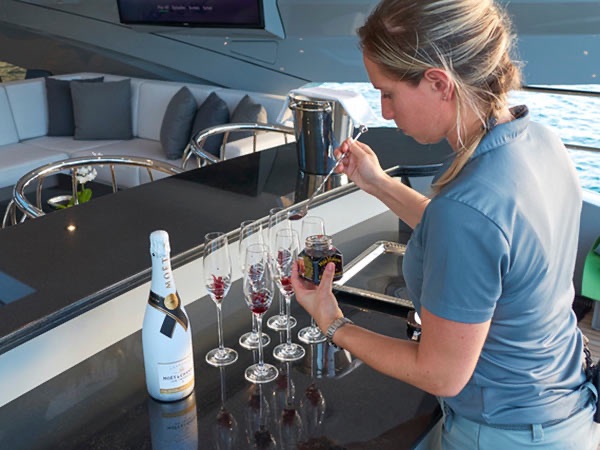
The most important aspect of the Steward/ess role is his/her attention to detail. This type of position requires the ability to think ahead, provide a service before the guest makes the request and to anticipate events before they happen. Most importantly, you must exhibit the ability to discreetly serve guests in a luxury 6-star manner.
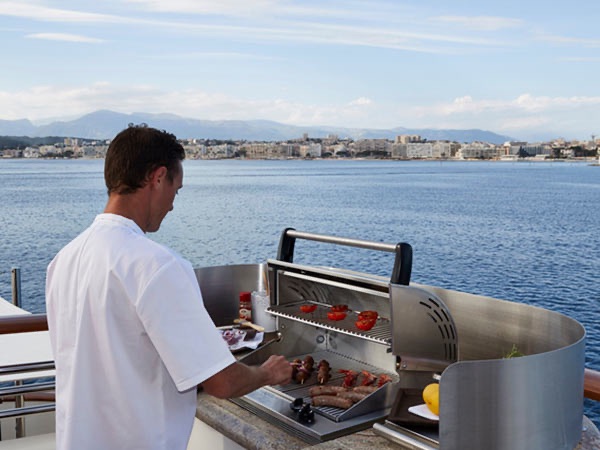
On larger yachts, you will often find a Second Cook/Sous Chef who works along side a Chef. This person will normally bear all responsibilities in cooking for the crew, side work for meal preparation, and assisting the Chef in any variety of ways. A new-to-industry individual who aspires to be a professional yacht chef will greatly benefit from holding an assistant position before jumping straight into a Chef position themselves.
Another common role on smaller yachts to find an individual who is sometimes referred to as a ‘Stew-Cook’ or a ‘Stew-Chef’. This is because the yacht is small enough to funnel responsibilities of both a cook and steward into one individual that handles both. On these smaller yachts, you may find that the requirements are much less formal than required on larger yachts. Some of these yachts have a more relaxed approach to dining where guests will gather to eat wholesome, healthy, well presented pool meals. On the flip-side however, you may find facilities for high-end cooking on small yachts and the owners may expect this.
If you hold a Stew-Cook position, you will be splitting your time between the galley and the interior of the yacht. Your duties will likely include cleaning, detailing, ironing and washing laundry in the afternoon and then cooking in the evening. Your tasks will vary, but it’s a great way to learn about several positions at once. To be successful in this position, you must be able to learn quickly and you must be adaptable to different working environments and conditions.
Required Skills and Experience
Most superyacht cooks have previous experience of working in a hotel or restaurant.
You must have excellent knowledge of food safety, storage, general health standards, and nutrition. A good cook should be flexible and able to perform gracefully under pressure! Your culinary repertoire should be good, to take into account the sometimes limited availability of produce and necessary menu changes due to unforeseen circumstances on board. You should have knowledge of fruits, dairy, meats, seafood and other products available only seasonally and perhaps limited by geographical region, as well as being able to cater to restricted diets, fad diets and food allergies.
The cook must also be very well organised and able to adhere to budgets and plan menus based on monetary restrictions.
In searching for a position that entails cooking to any degree, you must be clear in knowing what level of cooking is expected. If you are not formally trained and/or highly experienced, you must not present yourself as an expert Chef. In most cases, new-to industry cooks will take advantage of the Cook-Stew or the Second Cook/Sous Chef position and use it as their opportunity to learn the tricks of the trade. Cooking on a yacht is completely different than cooking for a hotel, restaurant or resort. You will learn worldwide provisioning, budgeting and cooking whilst at sea.
Many yachts require the cook to hold MCA STCW Basic Safety Certification
Required Certification
Although not mandatory, a recognised qualification such as a Level 3 Diploma in Professional Cookery (City and Guilds), Level 3 S/NVQ Professional Cookery (City and Guilds) or other industry-recognised international qualification would be beneficial. If not officially trained, restaurant and cook experience is a must.
Salary Range
The starting salary for a Cook or Stew-Cook on board a superyacht typically starts at between £1,500 to £2,500 per month. This could increase to between £2,000 and £3,000 per month for experienced candidates on larger yachts.
Career Progression
Superyacht Crew
A Second Cook or Sous Chef on board a superyacht could easily progress to Chef with experience.
Marine Industry
Career options for chefs in the wider maritime industry are mostly restricted to other crew jobs, for example the Merchant Navy or the holiday/charter companies.
Other Industries
The Hospitality, Hotel and Catering industries all need experienced chefs to work in a variety of environments.
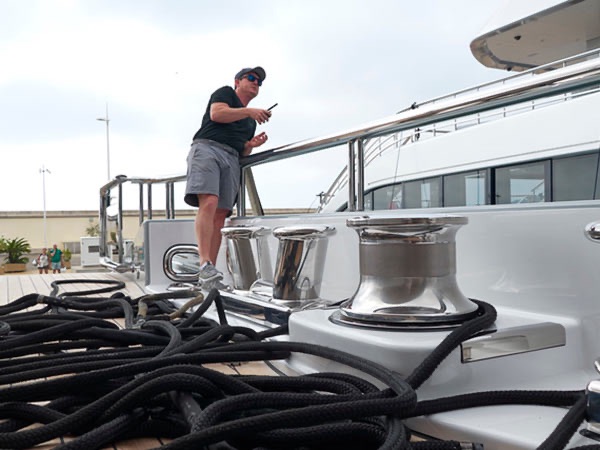
The Bosun, sometimes known as the Leading Hand or Senior Deckhand, is likely to be an experienced Deckhand who is able to take on extra responsibilities. The Bosun is responsible for maintaining the exterior of the yacht immaculately and is in charge of the Deckhands. The Bosun undertakes the role of organising deck operations, which usually includes storage, use and maintenance of toys and tenders, equipment, deck maintenance and deck supplies. The Bosun often undertakes bridge watches when at sea.
The Bosun will probably be the main tender driver, and will normally oversee activity on the passerelle (gangway) and will serve in a security role, making sure that guests are embarking and disembarking safely, while ensuring that no one enters the yacht without proper authorisation. It is likely that the Bosun will spend a great deal of time with guests or owners when on board, and therefore a positive attitude and a keen eye for details and service are paramount.
Required Skills and Experience
In order to become a Bosun you would probably have a background in yachting and boating and would generally need experience as a Deckhand. You should have a good understanding of exterior and general deck duties on a luxury yacht and an ability to delegate duties and work assignments to deckhands. Previous experience of helming guest tenders is a distinct advantage. You should be happy working as part of a team and will be prepared to work long hours and be flexible with duties involved.
Required Certification
Officially there are no mandatory requirements for certification or qualifications for Bosuns, however the following would be beneficial:
- MCA Yacht Rating Certificate
- RYA Power Boat level 2 or IYT Tender Driver Licence
- GMDSS VHF/SRC Radio Operators Certificate
- RYA Yachtmaster Offshore or IYT Master of Yachts <200gt
- MCA STCW Master (Yachts) <200gt or STCW OOW (Yachts) Certification
- MCA STCW Basic Safety Certificates are considered essential by many Captains.
Salary Range
A Bosun could expect to earn between £2,500 and £3,500 per month, but with experience this figure could rise to around £4,000 per month on larger yachts.
Career Progression
Superyacht Crew
A Bosun could expect to progress to the role of First or Second Officer, depending on the size of the yacht.
Marine Industry
A Bosun’s skills are relevant for a range of positions in the wider maritime industry, for example in Port Operations or in the Workboat sector. Opportunities are also available in the Leisure Marine sector, such as working in a marina.
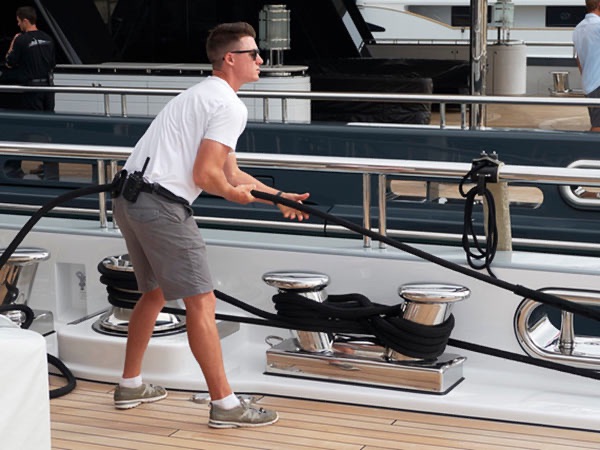
A deckhand is the entry level for almost all professional crew jobs on superyachts. The deckhand position will encompass many responsibilities, but most importantly, he/she will maintain the exterior of the yacht and keep it in pristine condition at all times. You could be the only deckhand on board, but on larger superyachts there may be as many as five or more deckhands working.
Your day will typically start very early and end very late. You will be involved in a number of tasks, including:
- Cleaning
- Painting
- Sanding
- Fibreglass restoration
- Varnishing
- Polishing
- Finishing
- Carpentry
- Line handling
- General exterior maintenance
- Driving tenders and/or toys
- Escorting guests when they use the toys
- Diving (if qualified)
- Helping interior staff serve meals or clean cabins
- Occasional assistance with the Chef in the galley
The deckhand is also normally responsible for the general day to day operation and maintenance of jet-skis and other toys and tenders.
The deckhand’s role is incredibly varied and gives an excellent opportunity to learn about the general operations on board a superyacht.
Required Skills and Experience
Deckhands do not have to have boating qualifications but having them is an asset. General seafaring skills are expected. Deckhands should ideally have some knowledge and experience of navigation, boat handling, engines and radio equipment.
Any skills or experience in any of the above mentioned tasks would be a distinct advantage over other candidates.
If you’ve never worked on a yacht before, it doesn’t mean that you are unsuitable for consideration. Captains have, in the past, hired crew with a variety of backgrounds such as hospitality and hotels, cruise lines, recent graduates, mechanics, engineers, tour leaders, divers and anyone who can prove they have the willingness to learn and the right work ethic.
Required Certification
Qualifications and certification are not normally needed to become a deckhand – experience is generally more important, but RYA qualifications such as Day Skipper, Power Boat Level 2 and VHF/SRC Radio Operators Certificate or IYT Tender Driving Licence may be beneficial. As an alternative the MCA approved Yacht Rating Course is acceptable. As you progress you will be expected to achieve the MCA Yacht Rating Certificate.
You may be required to hold the MCA STCW Basic Safety certification, and if you wish to progress from the deckhand role this certification is likely to be required for higher positions.
Salary Range
At entry-level a deckhand could expect to earn between £1,250 and £1,750 per month. An experienced deckhand could expect up to around £1,750 or £2,000 per month.
Career Progression
Superyacht Crew
A Deckhand is an excellent place to start your career on board a superyacht as it gives you a good grounding in day-to-day operations.
A Deckhand may choose to continue working in a deck role, and progress to the position of Bosun. Alternatively he/she may prefer to move into the Engineering department as an Engineer, or get into the Service department as a Steward/ess.
Marine Industry
Experience as a Deckhand on board a superyacht would be valuable in a whole host of other crew positions. For example in the Leisure sector holiday companies employ both engineering and stewarding crew for their flotillas.
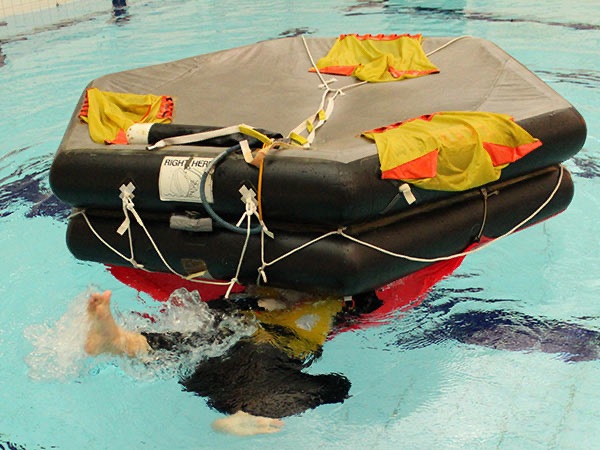
Anyone wishing to work on a superyacht must anticipate the need to take relevant training, certification and qualifications. In many cases there are mandatory courses to take, in others being able to demonstrate formally learned skills will give you an advantage.
Read on to learn about the key areas of superyacht training and certification that you might need to consider and click on the button below to access Superyacht UK\’s members that specialise in superyacht training and recruitment.
Note you should include on your CV full details of what you have achieved and an outline of what skills you have learnt (for example a brief syllabus). This will help potential employers to understand exactly what training you have received, even if they are not personally familiar with every course.
MCA certification
MCA stands for the Maritime and Coastguard Agency. It is the organisation responsible for maritime safety in the UK. This role encompasses setting the standard for training and certification for seafarers, including the minimum requirements for certification of superyacht crew. The MCA is an agency of the Department for Transport of the British Government.
Even if you have completed similar courses, unless they are approved by the MCA they will not be recognised for use in the superyacht industry.
Courses include:
- MCA STCW Basic Safety Training Certificates
- MCA Yacht Rating Certificate
- MCA Deck Officer Certificates (Officer of the Watch (OOW), Chief Mate and Master)
- MCA Engineering Officer Certificates (Chief Engineer)
If you have any previous maritime experience, or wish to talk to someone in more detail about which level of certification is right for you, please contact the MCA directly on 023 8032 9231. Or visit the MCA site for further information.
RYA Qualifications
RYA stands for the Royal Yachting Association, which is the UK’s national association for all forms of recreational and competitive boating. RYA’s training schemes for powered and sailing craft provide qualifications for skippers, instructors and water sports professionals worldwide.
RYA Yachtmaster and Yachtmaster Ocean
The RYA Yachtmaster Offshore Certificate of Competence is gained by taking an exam in either a sailing or motor yacht – your certificate will be endorsed accordingly. There is no formal training course leading up to the exam, but those who have not previously taken RYA courses often find it useful to book themselves in for some informal training prior to taking an exam. You will need to get your Certificate commercially endorsed for it to be valid for working on board superyachts.
The Yachtmaster Ocean exam is an oral and written test of your knowledge of ocean passage making including planning, navigation, worldwide meteorology, crew management, yacht preparation, maintenance and repairs. You will also be questioned on your sights taken at sea during an ocean passage. Again, you will need to get your Certificate commercially endorsed.
IYT (International Yacht Training) is a US-based organisation and its equivalent courses are also recognised by the MCA.
Find more information about RYA training and certification
Degrees and Foundation Degrees
A Foundation Degree has been developed for the Superyacht sector. Known as the FdSc Operational Yacht Science, it is usually delivered over a period of three years in conjunction with other training or a ‘cadetship’. Some training providers are now offering a full programme of training to provide you with a broad overview of all superyacht operations including deck duties, engineering and hotel services, and a ‘fast-track’ route to Deck Officer OOW certification.
There is often the opportunity to ‘upgrade’ your Foundation Degree to a full degree with further study to achieve a BSc (Hons) Marine Studies (Ocean Yachting), for example.
There are benefits with both the foundation degree route, and the more traditional on-the-job certification route and you should consider these carefully before making your decision. Find out as much information as you can about your chosen route before embarking on it.
Stewarding and Hospitality
Marine and non-marine training providers offer training courses for stewarding and catering skills such as:
- Silver service
- Wine appreciation
- Table management
- Bar management
- Floristry
Courses also exist covering an overview of all of these types of skills, sometimes including certifications such as STCW Basic Safety Training or RYA qualifications.