

11 August 2026
Robert Parton, owner and director of the family-run Aqueduct Marina in Cheshire, has recently handed over the Presidency of British Marine to Lyndsay McClay. With that in mind, we took the opportunity to ask him to reflect on his time as President and to share insight into his achievements and views on the industry.
Reflecting on your recent tenure as President of British Marine, what do you look back on as your standout achievements or the initiatives you are most proud to have established?
I’m pleased to have been able to help bring the Inland and Coastal interests of British Marine closer together. I’ve felt that until recently there had been a feeling of ‘them and us '. This has, I believe, been improved by the Inland sector coming together under one main Inland association at their annual conference, which represents all the canals, rivers and Broads, while at the same time having a stronger presence at the Southampton International Boat Show and seeing stronger Inland representation at technical and training events.
When you entered the presidency, you described yourself as a "shameless networker" who prioritises face-to-face engagement with members. How did this hands-on, collaborative approach shape your leadership style and the board's decisions?
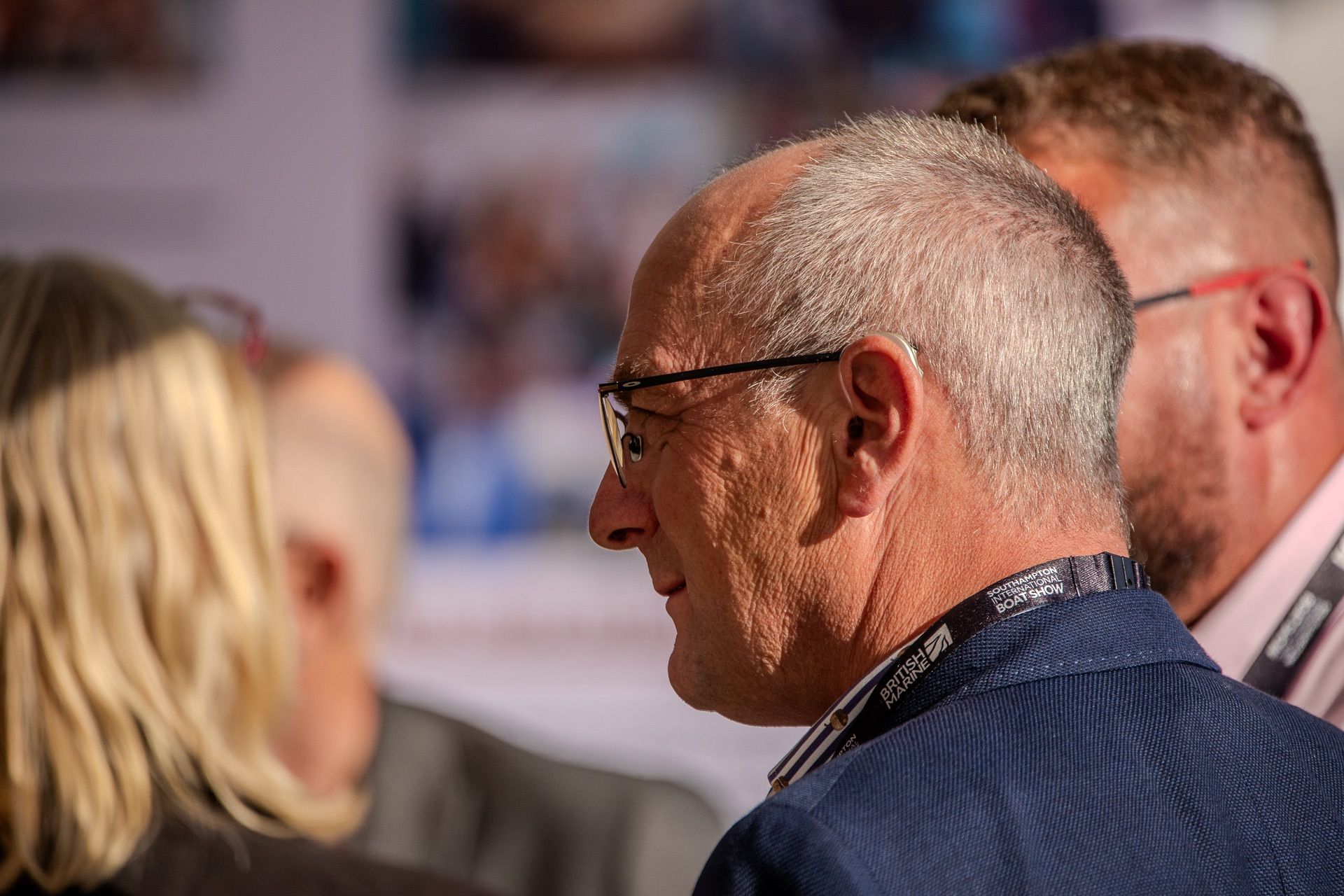
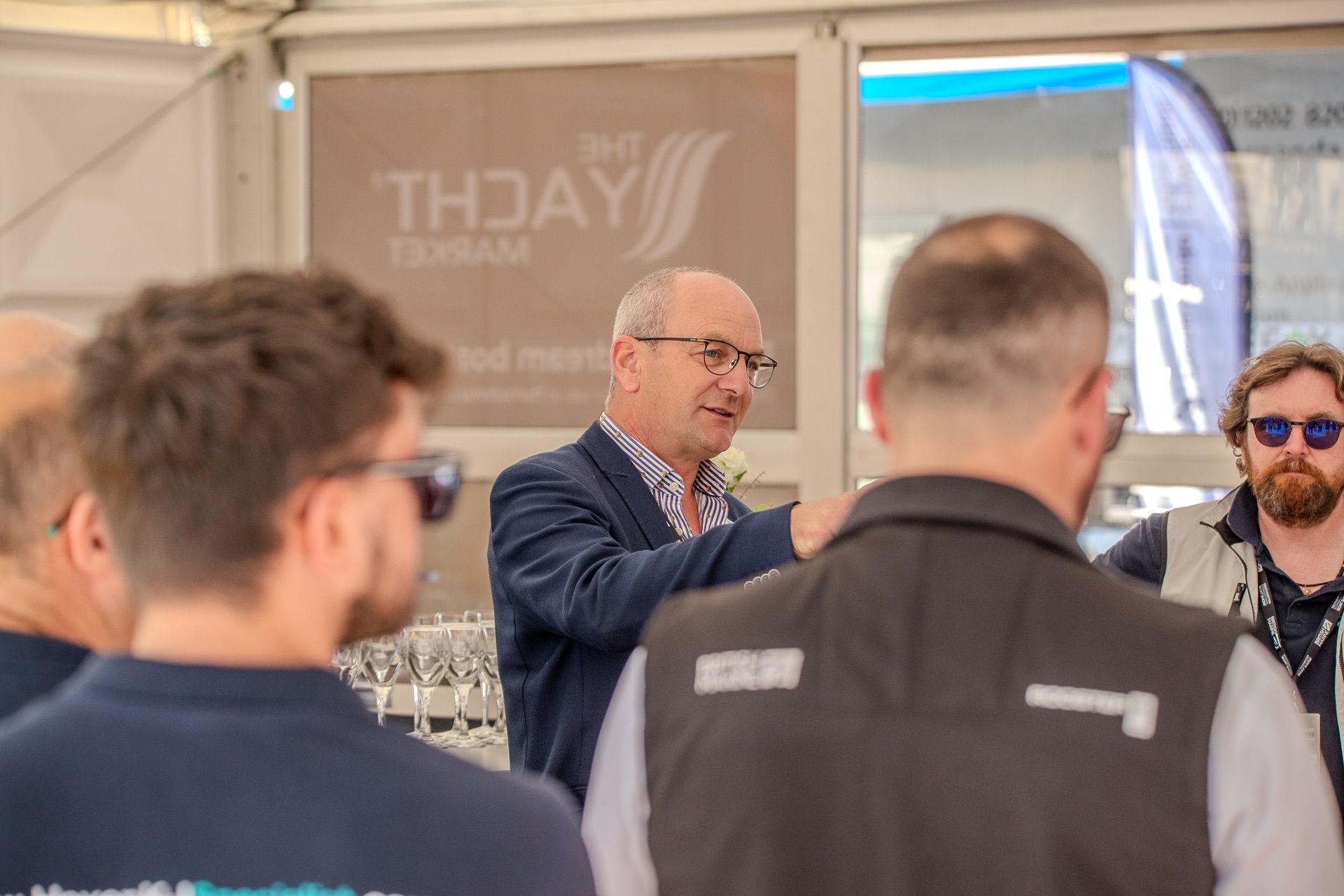
Over my term, I have enjoyed travelling extensively around the country, attending events and meeting members at their business sites. From Oban in Scotland to the Channel Islands, it has been fascinating to see the range of events that British Marine members attend and the business activities and skills we have within BM. I believe that being a physical presence, representing British Marine members, has been the single most important responsibility during my term as president.
You’ve long maintained that "people are the cornerstone of the industry". From your perspective as an independent End Point Assessor, what progress have you seen in skills development, and what hurdles still remain for remote or inland marine businesses seeking apprenticeship funding?
The British Marine training provision and apprenticeship offering has grown significantly over my 4-year term as President and President-elect, and I hope I have been able to support and encourage this development. A shortage of skills remains a key concern for our industry. This could be further improved by greater flexibility in how apprenticeship levy funding is utilised and how courses are delivered to help businesses located away from the main marine training colleges, predominantly on the south coast.
Sustainability and green transitions can often feel daunting or cost-prohibitive for smaller operators. How do you balance the aggressive push for environmental legislation with the "practical, sensible" business realities that members face?
As an inland marina owner myself, I am seeing firsthand the impact of climate change through recent summer droughts and high temperatures that have seriously affected the water supply. As a result, I’m a keen advocate for reducing our environmental impact. However, there remains a risk that well-intentioned environmental legislation becomes onerous, so a core element of his agenda was to ensure that environmental demands and advice given to British Marine members were feasible and well-researched rather than overly burdensome.
You famously moved into the marine sector in 2009 to diversify your family's dairy farming business. Looking at the broader picture, how has your background in agriculture and commercial diversification shaped your view of risk, innovation, and resilience in the leisure marine market?
The transition from Agriculture to a canal boat marina, and the journey since, has encouraged me to embrace change.
As the owner of Aqueduct Marina in Cheshire, you’ve been vocal about securing vital resources for our canals and rivers—including your advocacy at the Fund British Waterways event in Westminster. What is your current outlook on the long-term funding and infrastructure health of the UK's inland waterways?
The very real concern is that the combination of climate change and underfunding of navigation authorities is making the inland network less usable and accessible. On the positive side, there remains significant interest amongst the public who enjoy the environmental and mental wellbeing benefits the waterways can bring. I feel and hope that the public supports the waterways and that this will ultimately help to keep the inland waterways alive.