

Unlock your business potential with British Marine
Why Join
Comprising of some 1,200 member businesses, British Marine is the UK’s national trade association for the leisure marine, superyacht and small commercial industries and your gateway to unparalleled expertise, support, insight and potential growth opportunities.
From helping you to drive demand in your products and services, both on domestic and international fronts to providing legal, political, representational, technical and marketing guidance and support, we are here to help you. Our commitment to delivering exceptional service ensures that businesses of all sizes benefit from our extensive portfolio of membership benefits. Read more about our National Agenda, which has been crafted by our members to guide us on how best to support their needs and help realise their ambitions.
Joining British Marine will help set you apart in the ever-evolving marine industry. Whether you're a startup or seeking to propel your marine enterprise to the next level, British Marine membership, available to UK and International businesses, gives you a formidable competitive edge.
“British Marine is our national body and has the power to look after our interests collectively. The British Marine brand also adds cachet and a stamp of approval for members”
James Robinson, Marketing Director, Williams Performance Tenders‘British Marine have provided ABC Leisure Group with invaluable support, through representation and via its associations, but also specialist advice such as VAT and Crisis Management’
Carl Onens, Managing Director at ABC Leisure Group Ltd“We were having difficulty in recovering a longstanding debt to our business and then British Marine BusinessCare came to mind. We found the perfect template letters to use and subsequently have received a payment and a payment plan to clear the debt, so really happy with this member service.”
Jonathan Hobbs, Managing Director, Hobbs of HenleyAttending the METS trade show as an exhibitor on the British Marine Pavilion has been a fantastic experience for Makefast. The Pavilion provides a central location for visitors to discover high-quality British businesses, offering invaluable networking opportunities in a vibrant atmosphere.
Chris Cooper, Sales and Business Development Manager at Makefast“This year, we’ve been fortunate enough to find ourselves in the position to hire new staff. As members of British Marine, we took full advantage of their job board and successfully recruited four new members of staff without the added financial pressure of agency fees.”
Tom Marfleet, Marina Manager, Emsworth Yacht Harbour.Lippert Marine Group has been heavily involved in the development of the hatch, portlight and glazing standard used in the Recreational Craft Directive, with its brands Lewmar and Trend Marine. British Marine enabled us to explain the impact of Regulations on manufacturers, directly to the Technical Committee defining those standards. We have been able to share insights to ensure that the rule requirements were practical and achievable, and we were pleased to invest our time and expertise to enhance the level of safety provided by them. I am encouraged to see British Marine engaging with the industry on something so central to the R&D of ourselves and our competitors, improving standards which will only benefit our market and customers.
Bob Stevens, Glass Projects, Lippert Marine Group“The trainer who delivered our bespoke BMEEA-certified Marine Electrical Technician (BMET) course was friendly, delivered the course well and with confidence. The course was thorough, informative and relevant to each person who attended. Following completion, the team have found the knowledge gained valuable when performing their duties within the marina. We would recommend training arranged through British Marine and will certainly be booking courses in the future.”
Paul Austin, Engineer Team Leader, Richardson Leisure LimitedWorking with British Marine has been a genuinely valuable part of our growth journey at Tack and Jibe. The level of support, insight, and industry connection they provide is exceptional. Their internal and external communications are consistently clear and relevant, while publications like Marine Talk keep us informed and engaged with what’s happening across the sector. It’s clear that a huge amount of effort goes into ensuring members stay connected, informed, and supported.
Beyond this, the events and networking opportunities they facilitate have been incredibly beneficial for our whole team. They create an environment where meaningful relationships can be built and ideas shared, which is invaluable in a fast-moving industry. Being part of British Marine gives us confidence that we’re not only staying aligned with the industry, but actively contributing to it alongside a strong and collaborative community.
"I was very impressed by the solid advice that I received from the technical team. Their guidance and expertise allowed me to proceed with my business expansion plans. It’s also reassuring to have access to expert advice should any questions arise in the future. Although I’ve only recently joined, the membership has already shown its value."
Ben Walker, Owner, Blue Lagoon Marine
Membership packages
British Marine’s UK Membership packages are split into five levels. From our cost-effective digital package, perfect for startups and smaller companies to our all-inclusive package designed for larger enterprises, offering bespoke support and advice when you need it.
Core benefits are included for all packages, with additional benefits for Classic, Classic +, Enterprise and Enterprise + packages.
Membership fees are based on marine turnover and determines the membership package and benefits available to you. However, if you wish to unlock additional benefits you can upgrade your package.
Membership starts from just £320 a year + VAT.
ACCESS
Unlock your business potential
For an affordable annual fee unlock exclusive benefits with our ACCESS digital membership, the perfect fit for sole traders and small to medium enterprises (SMEs), enjoy:
- Supporting your business needs: enjoy all our core benefits including helpful online resources, 24/7 legal support, technical guidance and support and much more.
- Community Involvement: Join ONE of our 11 regional associations and ONE of our 14 sector specific associations. Connect, collaborate and amplify your voice on a national level, while expanding your professional network.
Join ACCESS today and be part of a community that's driving innovation and success in the UK business world.
Join us

CLASSIC
Boost Your Business Performance!
Elevate your business with our CLASSIC membership, ideally crafted for businesses poised for growth and in need of that extra personalised touch. CLASSIC builds upon the foundations of our ACCESS package, offering all its benefits with an exclusive edge:
- All ACCESS Benefits Included: Enjoy every advantage offered in our ACCESS package, from critical business intelligence to networking opportunities and discounts at the Southampton International Boat Show.
- Personalised Expert Support: Our team of specialists are at your service, offering ONE hour, per subject matter, of free bespoke advice on key business areas including training, representation and specialist technical matters. This personalised one-on-one support is available by phone, online or face-to-face to suit your needs and is designed to address your unique business challenges and opportunities.
- Extended Community Engagement: Gain membership to ONE regional and TWO sector specific associations, expanding your influence and connectivity in the business community.
- A Stepping Stone to Success: Whether you're navigating complex regulations or seeking to optimize your operations, our expert guidance is just a call away.
Join CLASSIC today and experience a membership that evolves with your business, providing the tailored support and resources you need to thrive in today's competitive landscape.
Join us
CLASSIC +
Go global
Embark on a global journey with CLASSIC +, a membership tailored for businesses with international aspirations. CLASSIC + elevates the offerings of our Classic membership, providing you with an expanded toolkit to conquer global markets:
- Extended Expert Support: Receive TWO hours of free specialist advice (per subject) from our experts, focused on addressing your unique business challenges and opportunities in both the UK and overseas. This enhanced personalised support is your gateway to global success.
- Comprehensive International Insights: Gain exclusive access to our in-depth research findings, offering you a clear picture of the trends shaping the global marine industry. Stay ahead in the global arena with data-driven strategies.
- Broadened Community and Network: Expand your influence further by joining ONE regional and THREE sector specific associations. Connect with like-minded businesses and thought leaders who are shaping the international landscape.
- Unlock Worldwide Opportunities: Expand your market reach, forge valuable partnerships, and explore new possibilities at international events. Enjoy cost-effective solutions to help you grow your audience and presence on an international scale.
- Expert International Guidance at Your Fingertips: Navigate the complexities of global business with ease. Benefit from TWO hours of complimentary, expert advice on critical aspects like foreign VAT reclamation and export control licenses, paving the way for your successful international ventures.
Join CLASSIC + and turn your international ambitions into realities!
Join us
ENTERPRISE
Elevate your business to new heights
Maximise your business potential with ENTERPRISE, the pinnacle of British Marine membership. Designed for those who seek the utmost in support and influence, ENTERPRISE offers a complete suite of benefits, including:
- All-Inclusive Member Benefits: Tap into the full array of British Marine member benefits, accessing a wealth of resources, insights, and opportunities tailored to your business needs.
- Tailored One-on-One Expert Support: Benefit from comprehensive personalised support from our team. Four hours of free dedicated support is allocated to each critical business area, including technical, legal, manufacturing, and HR, ensuring that all your needs are met with expert precision.
- Influential Government Advocacy: Have your interests and concerns championed at the highest levels of government. Our experienced experts will ensure your voice is heard where it matters most, providing a powerful platform for your business in the political arena.
- Broad Community Access: Join ONE regional and FOUR sector specific associations, broadening your network and influence within the industry. Connect with a diverse range of professionals and leaders, expanding your reach and impact.
- Global Business Excellence: Gain access to a wealth of international events and research, coupled with FOUR hours of expert guidance on key global business complexities like The Jones Act, Incoterms, plus links to the ICOMIA Distributors Guide and Market Selection Index Tool. This comprehensive package helps you expand your market reach, forge valuable partnerships, and explore new possibilities.
- A Partner for Success: ENTERPRISE membership – your strategic ally in your journey towards business excellence. Whether navigating complex regulations or seeking to innovate, ENTERPRISE is your reliable partner every step of the way.
Join ENTERPRISE today and be at the forefront of industry leadership and innovation.
Join us

ENTERPRISE +
Elevate to Global Excellence
ENTERPRISE + is the definitive choice for the leading marine-based businesses in the UK, especially those with a robust international presence or ambitious global growth plans. This premium membership is crafted to provide unparalleled support and resources:
- Customized Global Support: Our team is dedicated to working closely with you, addressing the unique challenges and opportunities your business faces on the global stage. From navigating new legislation impacts to staying abreast of the latest technical standards, with EIGHT hours for FREE support, per subject matter, our detailed assistance is tailored to your specific needs.
- Strategic International Focus: ENTERPRISE + is designed for businesses with a significant global footprint or those aiming to expand their international reach. We provide the insights and support necessary to thrive in the global marine industry.
- Extensive Networking Opportunities: Gain access to the most comprehensive network of industry associations with membership to ONE regional and FIVE sector specific associations. This unparalleled access fosters connections and collaborations across a wide spectrum of industry sectors and geographies.
- A Partner in Global Leadership: ENTERPRISE + is a partnership in global leadership. We are committed to supporting your journey towards international prominence, offering expertise and resources that align with your strategic objectives.
Join ENTERPRISE + today and be part of an elite group of marine businesses leading the charge in the global market.
Join us
WE’RE BEHIND YOU ALL THE WAY
Join British MarineMembership at a glance
Annual benefits |
Access |
Classic |
Classic+ |
Enterprise |
Enterprise+ |
|---|---|---|---|---|---|
|
Core Package includes but not limited to networking events, legal support, statistics and |
|
|
|
|
|
|
Membership of sector specific associations. |
1 |
2 |
3 |
4 |
5 |
|
Access to specialist technical, training, representation advice and research. |
1 Hour |
2 Hours |
4 Hours |
8 Hours |
|
|
Access to international research data. |
|
|
|
|
|
|
International Advice Service – bespoke advice relating to overseas activities. |
2 Hours |
4 Hours |
8 Hours |
Your core membership benefits
Access a wide range of core benefits to help you unlock your business potential. Core benefits include:
- Access over 100 networking events each year
- 24/7 legal support
- Technical guidance
- Representing member's interests in Parliament
- Business funding opportunities
- Access to statistics and market intelligence reports
- Affordable access to international shows
- Membership of sector specific and regional associations
- Opportunities to influence standards and policies
- Parliamentary and Government insight
- Crisis management support
- Industry updates and breaking news
- Marketing and promotional opportunities
- ‘Find a member’ business listing
- Professional development opportunities
- Member to Member Benefits Hub
- NEW - European Boating Industry (EBI) Membership
- Business and sector specific contract templates
- Discounts and savings on exhibiting, training courses,
industry publications and more - VAT guidance
- Free credit checks
- Health and safety guidance
- Mediation service
- Free job adverts
- Training and careers support
- Sustainability best practice advice including guidance on net-zero targets
- Use of the British Marine logo
- Access to British Marine events (UK)
- Discounted sponsorship opportunities
- Supporting our industry and its future
- British Marine member referral scheme
- NEW - Discounted access to Smart Search (KYC) platform
How we can support your business

Business Support
Critical day to day business support and guidance, and access to the latest trends, market intelligence and industry updates. Stay informed and position yourself at the forefront of marine trade developments.
Business Growth
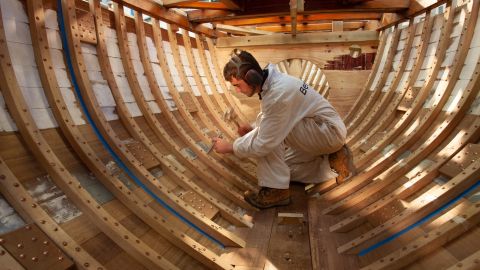
Assisting you to grow your business, opening new
commercial opportunities, cost savings and providing
strategic support.

Representation & Promotion
Be part of a collective voice that advocates for the UK’s leisure marine sector. Help shape policies and regulations that impact our industry and stay informed of the issues that matter to your business.
Networking Opportunities
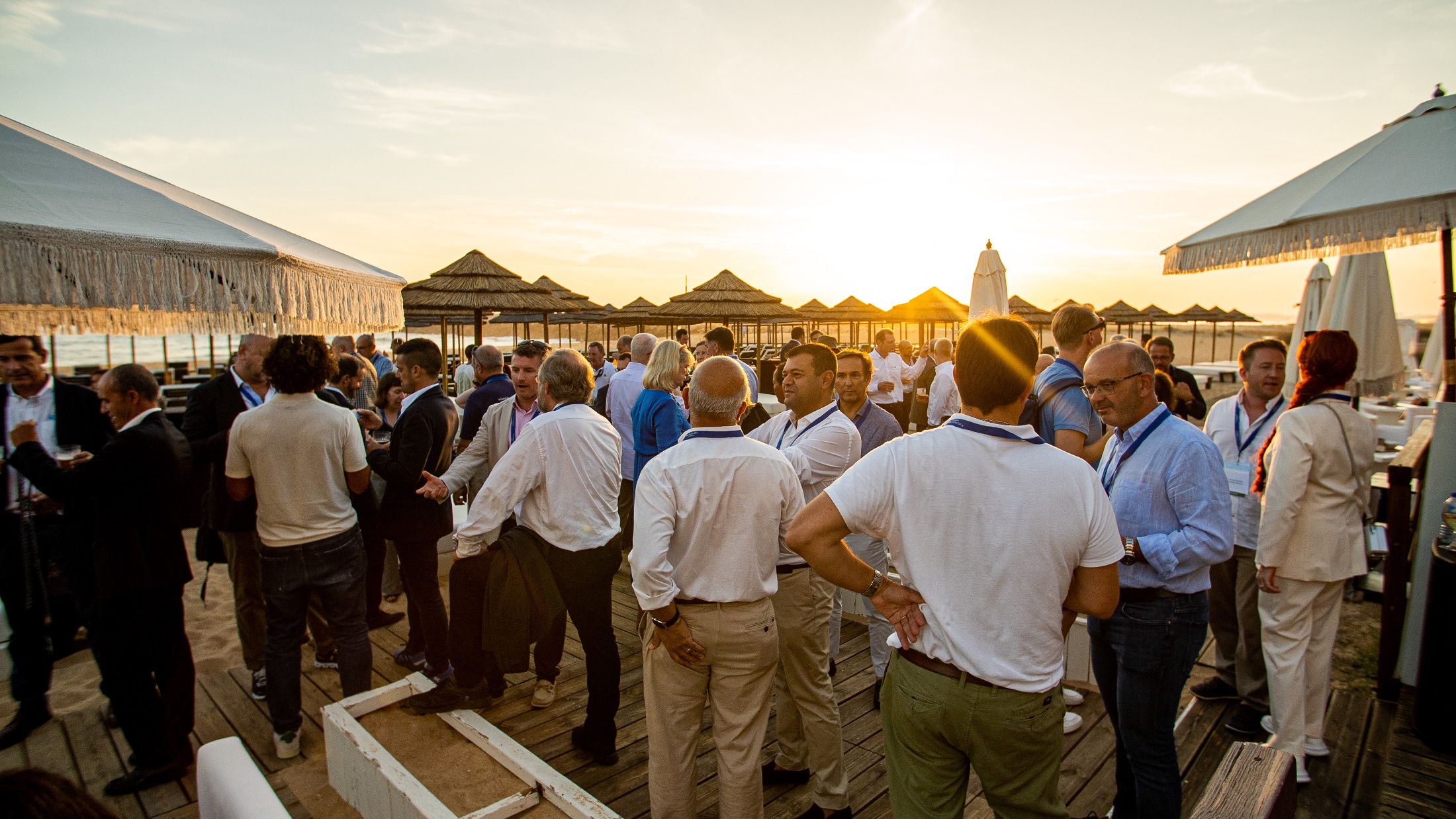
Connect with industry leaders, suppliers, and professionals at exclusive events, conferences and networking sessions. Forge new partnerships that propel your business forward.

Professional Development
Benefit from tailored training programs, workshops and resources designed to enhance your skills and keep you competitive in the dynamic marine landscape.
Supporting our industry
Become an integral part of a movement dedicated to supporting and advancing the industry you love.